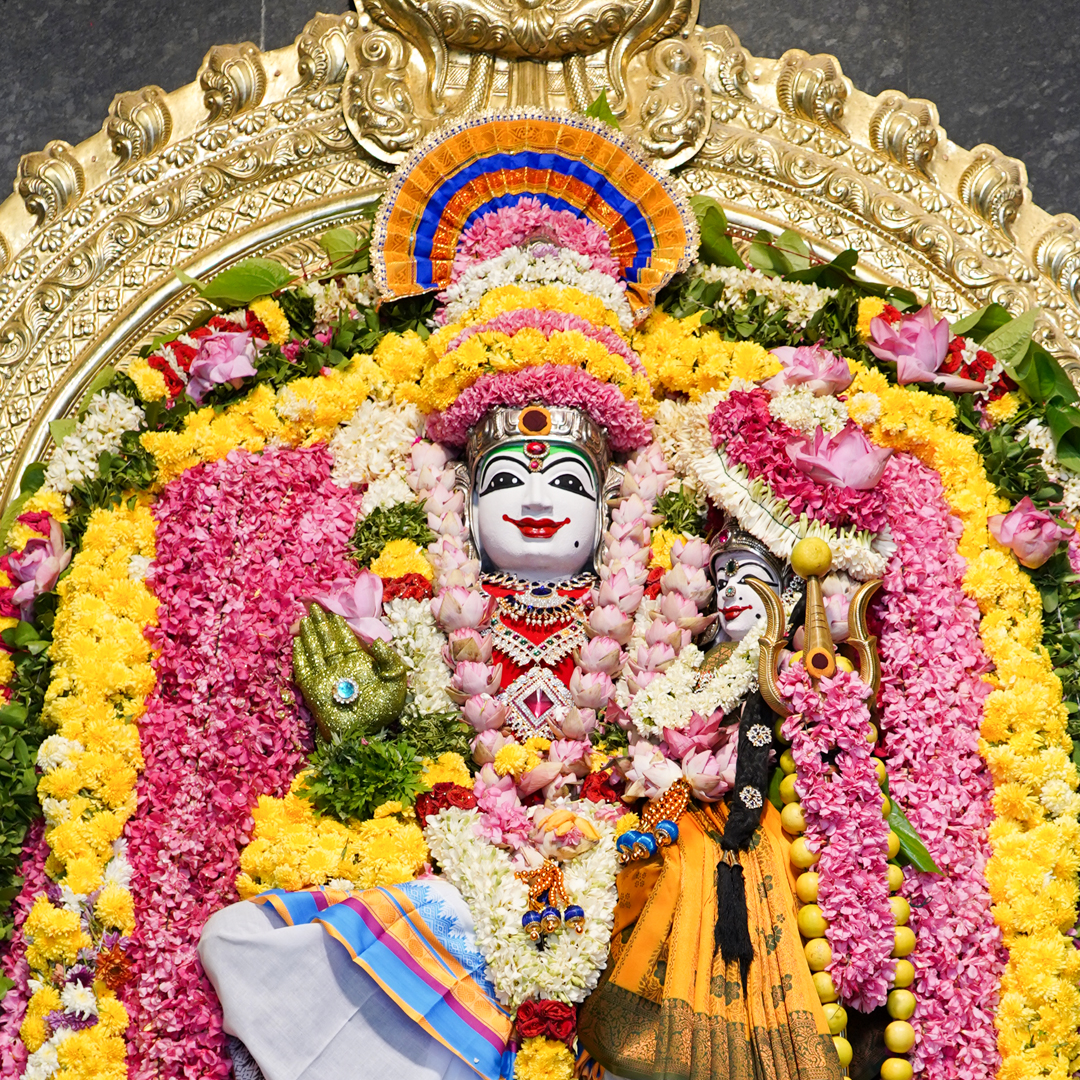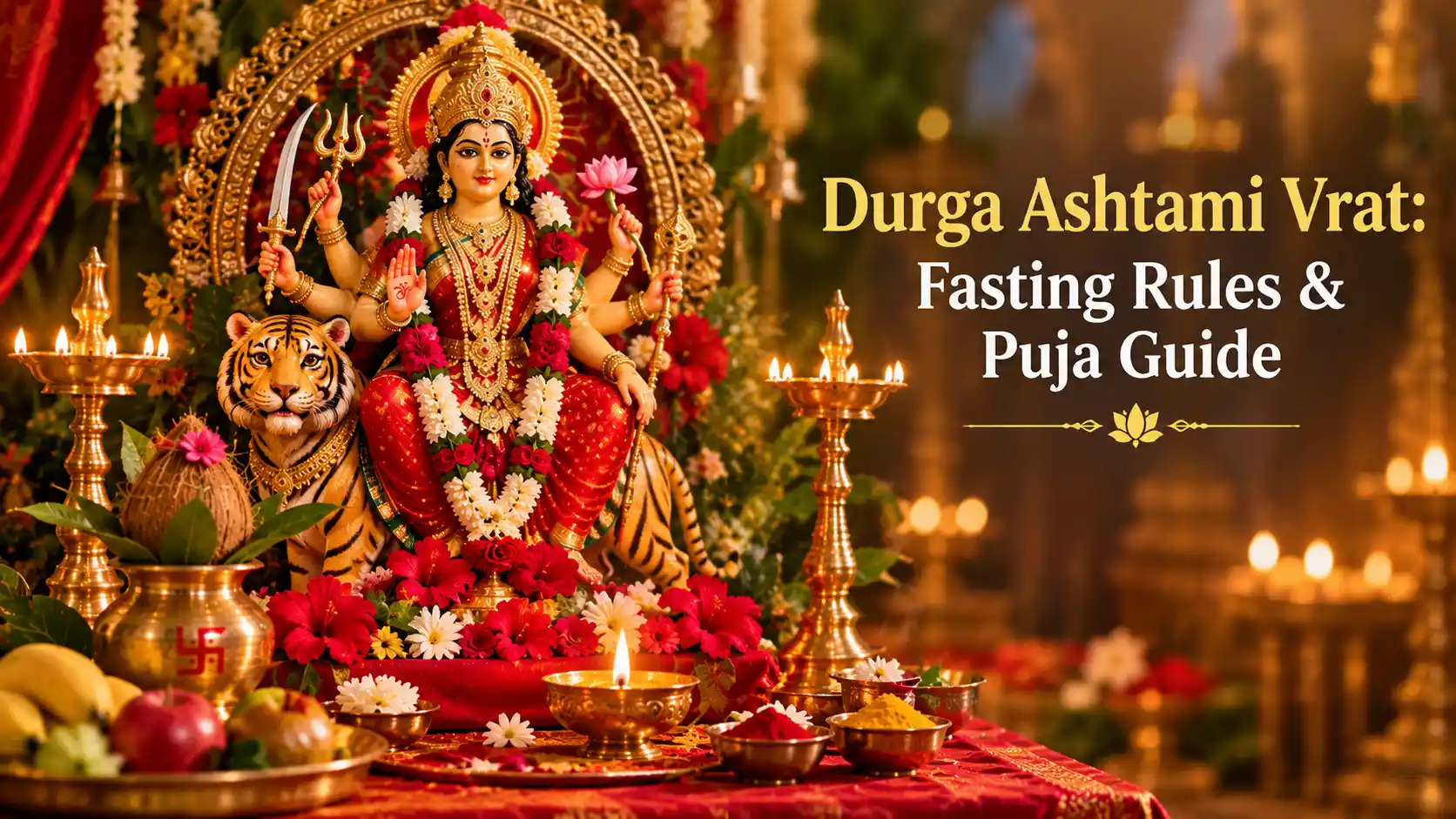
Durga Ashtami is one of the most significant days of Navratri, dedicated to the worship of Goddess Durga and the divine feminine power she represents. For many devotees, this sacred occasion is a time to pray for family well-being, inner strength, peace of mind and spiritual growth.
Observing Durga Ashtami Vrat is a traditional way of expressing devotion to the Goddess. Some devotees observe a strict fast, while others consume fruits, milk or simple vegetarian meals according to their health and family customs.
If you are planning to observe the fast for the first time, you may have questions about when to begin, what foods are allowed, how to perform the puja and when to break the fast.
This guide explains the Durga Ashtami Vrat rules, fasting methods, puja procedure, permitted foods and important precautions in a simple and practical way.
What Is Durga Ashtami Vrat?
Durga Ashtami Vrat is a religious observance dedicated to Goddess Durga, traditionally observed on the eighth lunar day, known as Ashtami. Maha Ashtami, the eighth day of Sharadiya Navratri, holds special significance in many Hindu traditions.
Goddess Durga is worshipped as a symbol of courage, protection and the victory of good over evil. Her victory over the demon Mahishasura represents the triumph of divine power over destructive forces.
Devotees observe the vrat through prayer, fasting, mantra chanting and other traditional rituals. Some families also perform Kanya Puja, in which young girls are respectfully worshipped as symbolic representations of the Divine Mother.
The exact rituals may differ across regions, temples and households. Therefore, following your family tradition or a trusted local priest’s guidance is a sensible approach.
When Is Durga Ashtami Vrat Observed?
Durga Ashtami is observed on the Ashtami Tithi, or eighth lunar day, during the relevant Hindu calendar period. Maha Ashtami falls during Sharadiya Navratri, while Masik Durga Ashtami is observed monthly according to the lunar calendar.
Because Hindu dates follow the lunar calendar, the corresponding Gregorian date changes every year. The observance may also differ by location because of local Panchang calculations.
Before beginning your fast, check a reliable local Panchang for the correct date, puja timings and any family-specific observances.
How to Observe Durga Ashtami Vrat
Observing the vrat does not necessarily require elaborate arrangements. A simple prayer routine, a clean worship space and sincere devotion are central to the practice.
1. Wake Up Early and Prepare for the Puja
Many devotees begin the day by waking up early, bathing and wearing clean clothes. The puja area is cleaned, and an image or idol of Goddess Durga is placed in a suitable spot.
Arrange the required puja items beforehand so that you can perform the rituals peacefully without rushing.
2. Take a Sankalpa
A Sankalpa is a personal resolution to observe the fast and perform the worship with devotion.
You may silently express your intention to worship Goddess Durga, cultivate positive thoughts and pray for the well-being of your family.
There is no need to make an elaborate declaration if you are unfamiliar with the formal ritual. A sincere prayer according to your family tradition is sufficient for a simple home observance.
3. Light a Lamp and Offer Flowers
Light an oil or ghee lamp in front of the Goddess, following your household’s customary practice. Offer flowers, kumkum, sandalwood paste, incense and other traditional items as appropriate.
Red flowers are commonly associated with Goddess Durga, although the specific offerings may vary according to regional customs.
Keep the worship area clean and ensure that lamps, incense and camphor are handled safely.
4. Chant Durga Mantras or Read Sacred Texts
Devotees may chant a Durga mantra, recite devotional hymns or read passages from sacred texts associated with the Goddess.
A simple mantra commonly used in Durga worship is:
Om Dum Durgayai Namah
Repeat the mantra calmly according to your ability and tradition. If you are unfamiliar with longer prayers, listening to a devotional hymn or chanting the Goddess’s name can also be part of your personal worship.
5. Offer Naivedya
Prepare a simple offering for Goddess Durga. Depending on your tradition, this may include fruits, coconut, milk, sweets or a homemade vegetarian dish.
Some households prepare halwa, puri and chickpeas for Kanya Puja, while others offer different foods.
The offering should reflect your family customs and available ingredients. After the puja, the food may be shared as prasad according to the household’s practice.
6. Perform Aarti
Conclude the main worship with aarti and a prayer to Goddess Durga. Ask for the strength to face difficulties, the wisdom to make good decisions and the patience to treat others with kindness.
Once the puja is complete, distribute prasad among family members if that is part of your tradition.
Durga Ashtami Fasting Rules
Fasting practices vary considerably. Some devotees abstain from food for a period, others consume fruits and milk, and some follow a simple vegetarian diet.
Choose the fasting method that is appropriate for your health and religious practice.
Different Types of Fasting
1. Phalahar Vrat
In this form of fasting, devotees may consume fruits, milk, nuts and other foods permitted by their family tradition. It is a common option for people who prefer not to abstain from food completely.
2. One-Meal Fast
Some devotees eat one simple vegetarian meal during the day. The timing and permitted ingredients depend on local customs and individual observance.
3. Nirjala Vrat
Nirjala fasting involves abstaining from both food and water. This is a strict practice and should not be treated as a requirement for every devotee. Going without water can cause dehydration and may be unsafe.
A person who cannot maintain a strict fast can still participate in the puja and prayers without putting their health at risk.
What Can You Eat During Durga Ashtami Vrat?
The foods permitted during the fast depend on the particular fasting tradition you follow.
Common options in traditions that allow them include:
- Fresh fruits such as bananas, apples and papaya
- Milk, curd and other permitted dairy products
- Nuts and dried fruits
- Potatoes and other simple preparations
- Sabudana dishes
- Kuttu or singhara flour preparations
- Water and other permitted fluids
Some fasting traditions avoid regular grains, pulses, onion, garlic and ordinary table salt. Other traditions follow different rules, so do not assume that every ingredient is permitted in every household.
If you are observing a strict religious fast, confirm the permitted foods with a trusted source familiar with your tradition.
What Should You Avoid During the Fast?
Devotees who observe Durga Ashtami Vrat traditionally try to maintain a peaceful and disciplined routine throughout the day.
Depending on your family customs, you may choose to avoid:
- Non-vegetarian food and alcohol
- Foods prohibited by your particular fasting tradition
- Arguments, harsh speech and unnecessary conflict
- Distractions that prevent you from completing your prayers peacefully
These practices are intended to support spiritual focus and self-discipline. They should not become a reason to judge others who follow different traditions.
What Is Kanya Puja on Durga Ashtami?
Kanya Puja, also known as Kumari Puja in certain traditions, is an important ritual observed on Maha Ashtami or Maha Navami in many Hindu households.
During this ceremony, young girls are honoured as symbolic representations of the Divine Mother. Families may welcome the girls, offer prayers, serve them food and give small gifts according to their custom.
The number of girls, the age range and the precise ritual vary by region and household. Kanya Puja is not observed in exactly the same way everywhere.
If you perform this ritual, treat every child with dignity, respect their comfort and obtain appropriate parental consent. The ceremony should be a positive and respectful experience for everyone involved.
When Should You Break the Durga Ashtami Fast?
Breaking the fast is commonly referred to as Parana. The appropriate time depends on the type of vrat, the local lunar calendar and the tradition being followed.
Some devotees conclude their fast after the day’s puja or Kanya Puja. Others follow specific rules associated with the completion of Navratri and the transition between lunar dates.
For this reason, there is no single universal time that applies to every Durga Ashtami observance.
Check your local Panchang or consult a trusted priest if your tradition specifies a particular Parana time.
When ending the fast, begin with a suitable amount of food and fluids rather than eating a very large meal immediately.
Important Health Precautions While Fasting
Religious devotion should not require you to put your health at risk.
If you have diabetes, kidney disease or another medical condition, take regular medication, are pregnant or breastfeeding, or have a history of eating-related health problems, consult your healthcare professional before changing your food or fluid intake.
Children, older adults and people recovering from illness may also need to avoid strict fasting.
Do not stop prescribed medicines or deliberately avoid water if doing so could be harmful. If you experience dizziness, confusion, faintness or significant weakness, stop fasting and seek appropriate medical advice.
You can honour Goddess Durga through prayer, mantra chanting, charity or a simple puja without undertaking a strict fast.
Spiritual Significance of Durga Ashtami Vrat
For devotees, Durga Ashtami is an opportunity to reflect on the qualities associated with Goddess Durga.
Courage and Inner Strength
The Goddess is revered as a powerful symbol of courage. Remembering her during prayer may encourage devotees to approach life’s difficulties with greater confidence and determination.
Peace of Mind
Setting aside time for prayer, chanting and quiet reflection can provide a break from everyday distractions. Many devotees find this routine comforting and spiritually meaningful.
Family Well-Being
Prayers for family happiness, good health and harmony are an important part of many household observances. Performing puja together can also create a meaningful opportunity for families to spend time together.
Self-Discipline and Gratitude
Fasting, when practised safely, may help some devotees reflect on their habits and intentions. The day can also serve as a reminder to practise patience, generosity and gratitude.
These are spiritual interpretations and potential personal benefits, not guaranteed outcomes. Fasting or performing rituals cannot ensure a particular financial, medical or personal result.
Frequently Asked Questions About Durga Ashtami Vrat
1. Is fasting compulsory on Durga Ashtami?
No. Many devotees observe a fast, but others perform the puja without fasting. The choice depends on personal circumstances, health and family tradition.
2. Can I observe Durga Ashtami Vrat for the first time?
Yes. You can begin with a simple puja, a short prayer and a fasting method that is appropriate for you. There is no need to adopt strict practices immediately.
3. Can I drink water during Durga Ashtami Vrat?
Many fasting traditions permit water, and some devotees follow a fruit-based or partial fast. Nirjala fasting excludes water, but it is not suitable for everyone. Prioritise your health.
4. Can I perform Durga Ashtami Puja at home?
Yes. You can worship Goddess Durga at home by cleaning the puja area, lighting a lamp, offering flowers, chanting a mantra and performing aarti according to your tradition.
5. Is Kanya Puja compulsory?
No. Kanya Puja is an important practice in certain regional and family traditions, but it is not universally performed by every devotee.
6. Can I observe the vrat if I cannot fast?
Yes. You can participate through prayer, devotional reading, mantra chanting or charitable acts. A strict fast is not necessary for everyone.
Conclusion
Durga Ashtami Vrat is a meaningful opportunity for devotees to worship Goddess Durga and reflect on courage, compassion, self-discipline and spiritual growth.
Whether you choose a fruit-based fast, a simple vegetarian meal or prayer without fasting, the observance can be adapted to your circumstances and family traditions.
Prepare for the puja calmly, follow the rituals that are meaningful to you, and avoid practices that may harm your health.
May Goddess Durga inspire you to face life’s challenges with courage, maintain peace in your home and cultivate kindness in your everyday life.