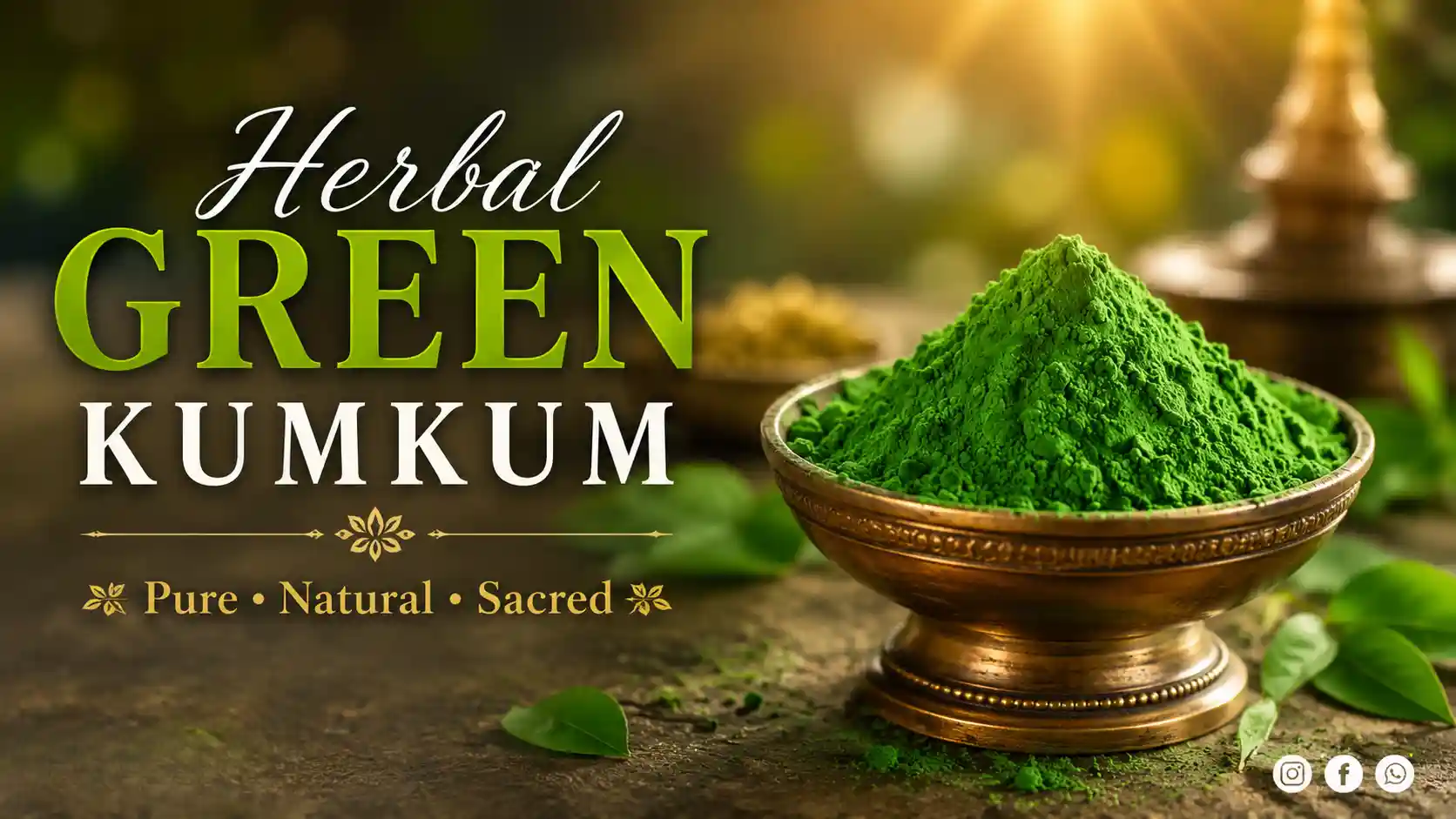
For many of us, it is something we have seen since childhood. Our mothers and grandmothers may have worn it every day. At temples, kumkum is often offered after worship, and many people apply it to their forehead as a mark of devotion.
But is applying kumkum simply a habit?
Not really.
Behind this small mark are layers of Indian tradition, spirituality, devotion and cultural symbolism. The meaning can also differ from one family, community and region to another.
Interestingly, kumkum is not always limited to the familiar red colour. In some temples and spiritual traditions, green kumkum is also considered special and is received by devotees as a form of prasad.
So, let us take a closer look at why kumkum is applied to the forehead, what it represents and why different forms of kumkum have a place in temple traditions.
What Is Kumkum?
Kumkum is a traditional coloured powder commonly used in Indian religious and cultural practices.
Red kumkum is the most familiar form and is often associated with:
- Temple worship
- Daily prayers
- Religious ceremonies
- Festivals
- Weddings and auspicious occasions
- Traditional customs
The ingredients and preparation of kumkum can vary depending on the region, family tradition and religious practice.
Therefore, not every kumkum product is necessarily made in exactly the same way.
For many devotees, however, kumkum is more than just a coloured powder. It carries a sense of devotion, auspiciousness and sacred tradition.
Why Is Kumkum Applied Between the Eyebrows?
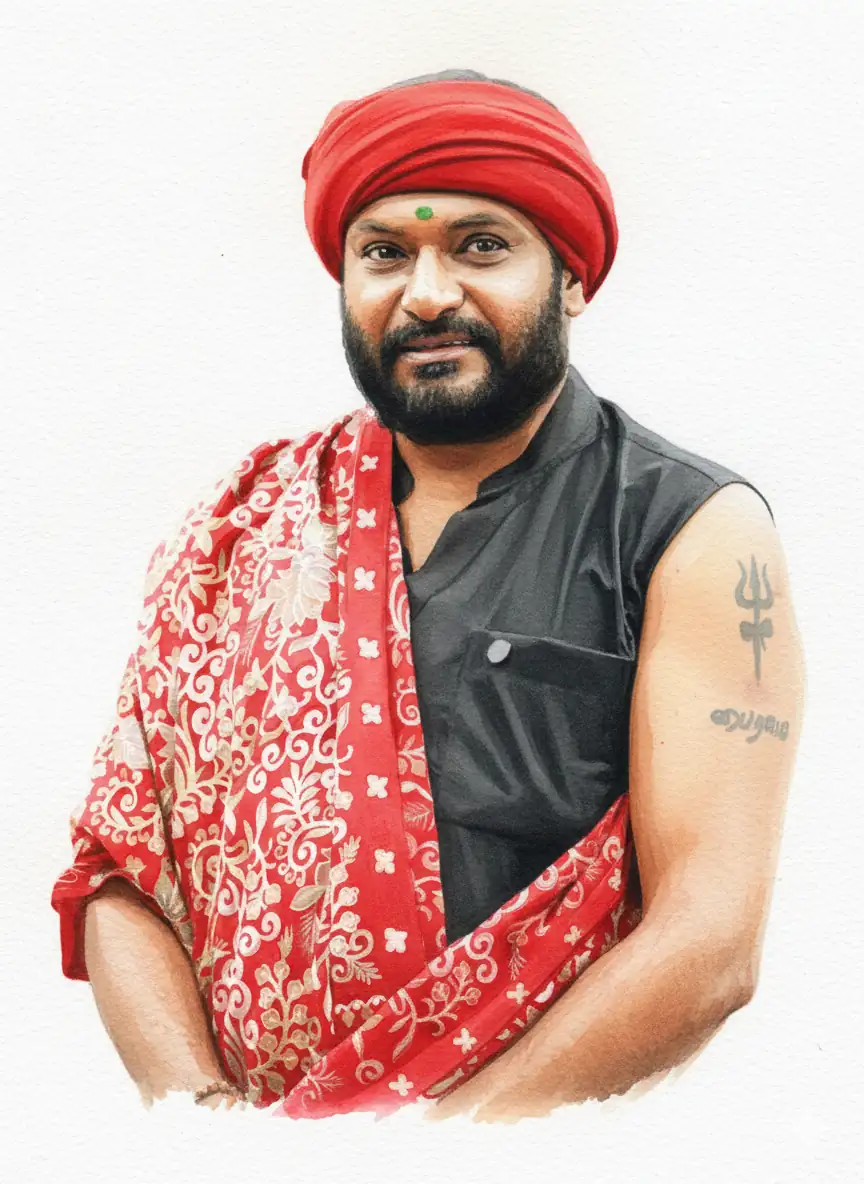
One of the most common places to apply kumkum is the area between the eyebrows.
This particular point has been given spiritual significance in several Indian traditions. It is commonly associated with the Ajna Chakra, which is also referred to in spiritual traditions as the “third eye.”
In yogic and spiritual thought, this area is associated with concentration, awareness and inner perception.
Because of this traditional belief, applying a mark on the forehead can be understood as a reminder to:
- Stay focused
- Turn the mind inward
- Remember the divine
- Maintain spiritual awareness
- Approach daily life with a calm mind
These are primarily traditional and spiritual interpretations, rather than scientifically established medical effects.
What Does the Red Colour of Kumkum Symbolize?
The red colour of kumkum has an important place in Indian culture.
Traditionally, red is often associated with ideas such as:
- Energy
- Strength
- Auspiciousness
- Prosperity
- Vitality
- Shakti, or divine feminine power
In many communities, kumkum worn by women is also associated with auspiciousness and family traditions.
However, its meaning is not limited to women. Men may also apply kumkum during temple visits, prayers and religious ceremonies.
The exact significance depends on the cultural and religious tradition being followed.
Is Applying Kumkum Just a Habit?
This is where the story becomes interesting.
For some people, applying kumkum is simply a family tradition passed down through generations.
For others, it is an expression of faith.
Someone may apply kumkum after visiting a temple because it reminds them of the deity they worship. Another person may wear it because it is part of their family’s daily practice.
For someone else, it may represent an auspicious occasion or an important cultural identity.
So, the meaning of kumkum is not necessarily the same for everyone.
What looks like a simple mark on the forehead may carry a deeply personal meaning for the person wearing it.
The Spiritual Connection of Kumkum
In many Indian traditions, the forehead has a special place in religious practices.
You may notice different types of traditional marks being applied during worship, including:
- Kumkum
- Sandalwood paste
- Vibhuti
- Other religious marks
These marks can represent different beliefs and traditions.
Applying a religious mark can also create a sense of devotion and mindfulness. For some people, that small moment after prayer becomes a reminder to carry the peaceful feeling of worship into the rest of the day.
In this sense, kumkum can have both a cultural and personal spiritual meaning.
Why Is Kumkum Given as Prasad in Temples?
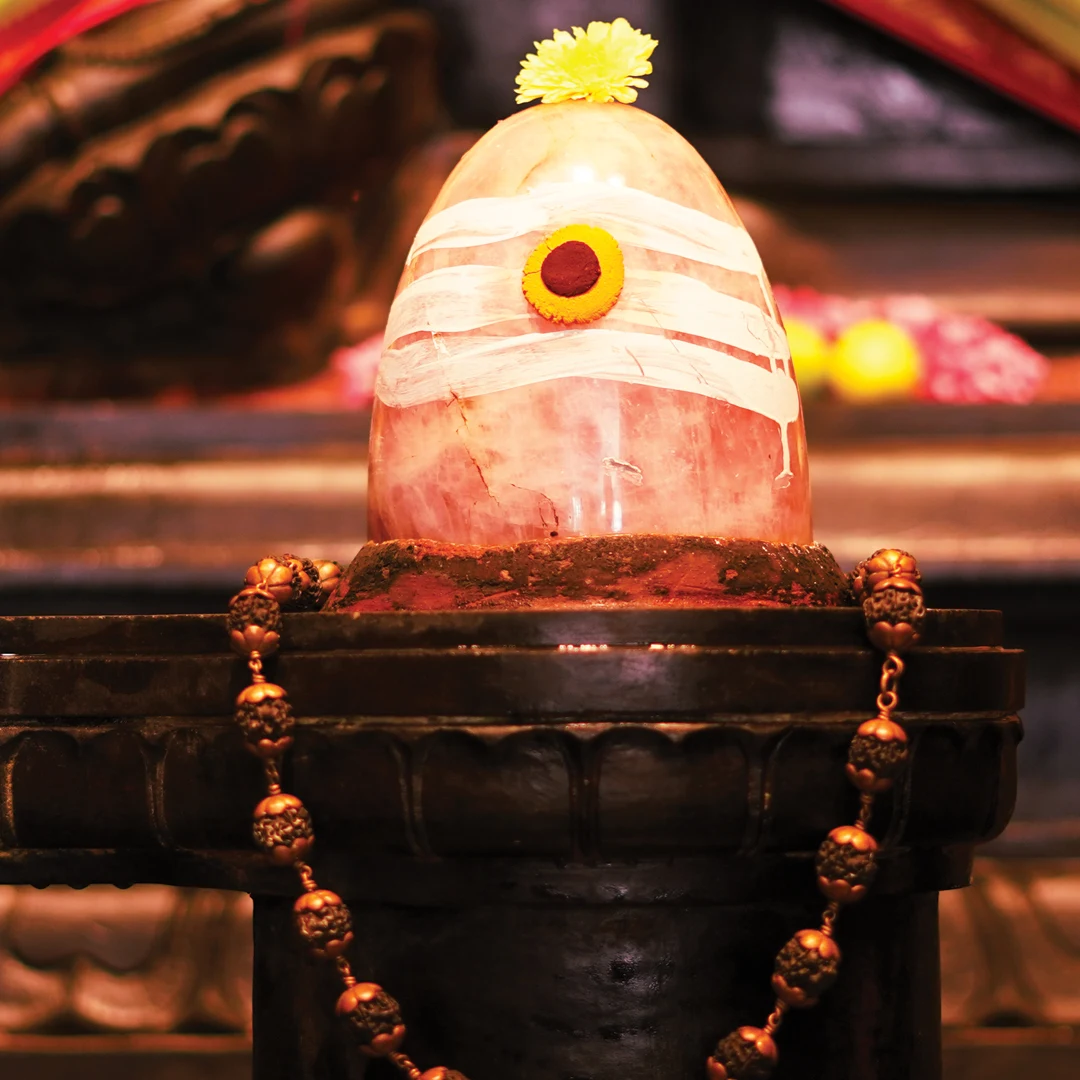
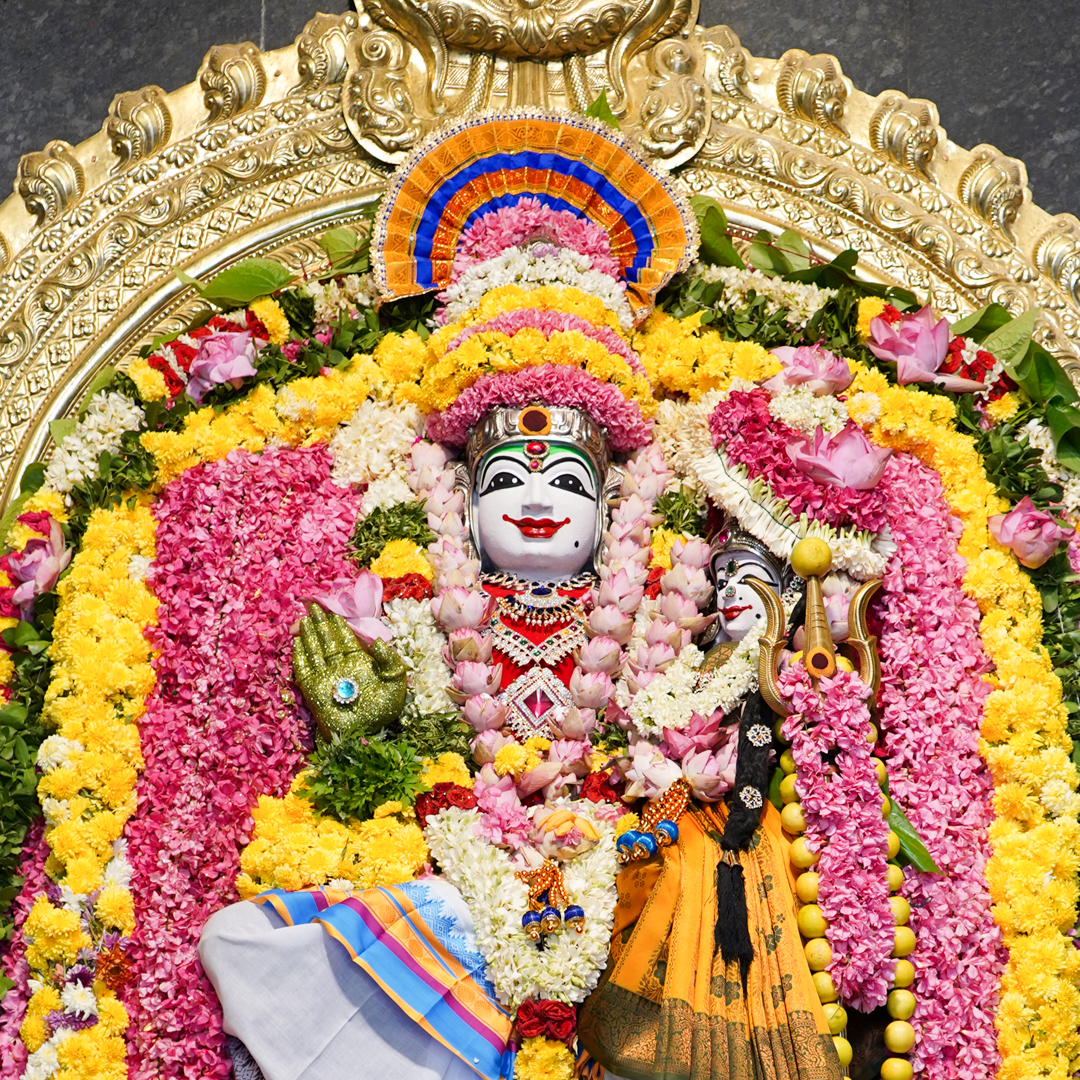
Kumkum is commonly offered as prasad in many temples, particularly in traditions associated with Goddess worship and Shakti.
Devotees may receive it after prayer and apply it to their forehead as a sign of devotion and blessings.
For many people, receiving kumkum from a temple is an emotional and spiritual experience. It connects the physical act of applying the mark with the worship they have just completed.
The colour, preparation and method of offering kumkum can differ from one temple tradition to another.
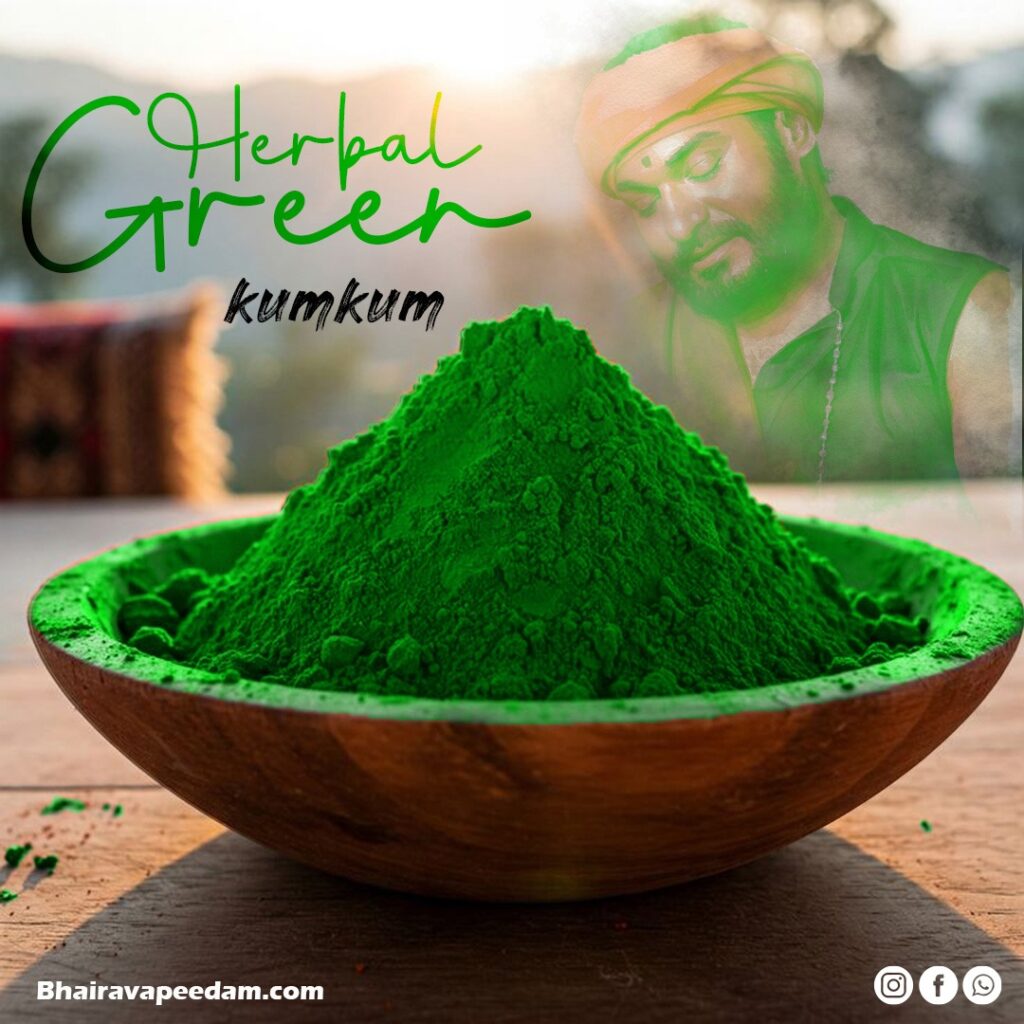
Green Kumkum: Why Is It Special in Some Temples?
When we think of kumkum, red is usually the first colour that comes to mind.
However, green kumkum is also associated with certain temple traditions and is considered special by devotees in some places.
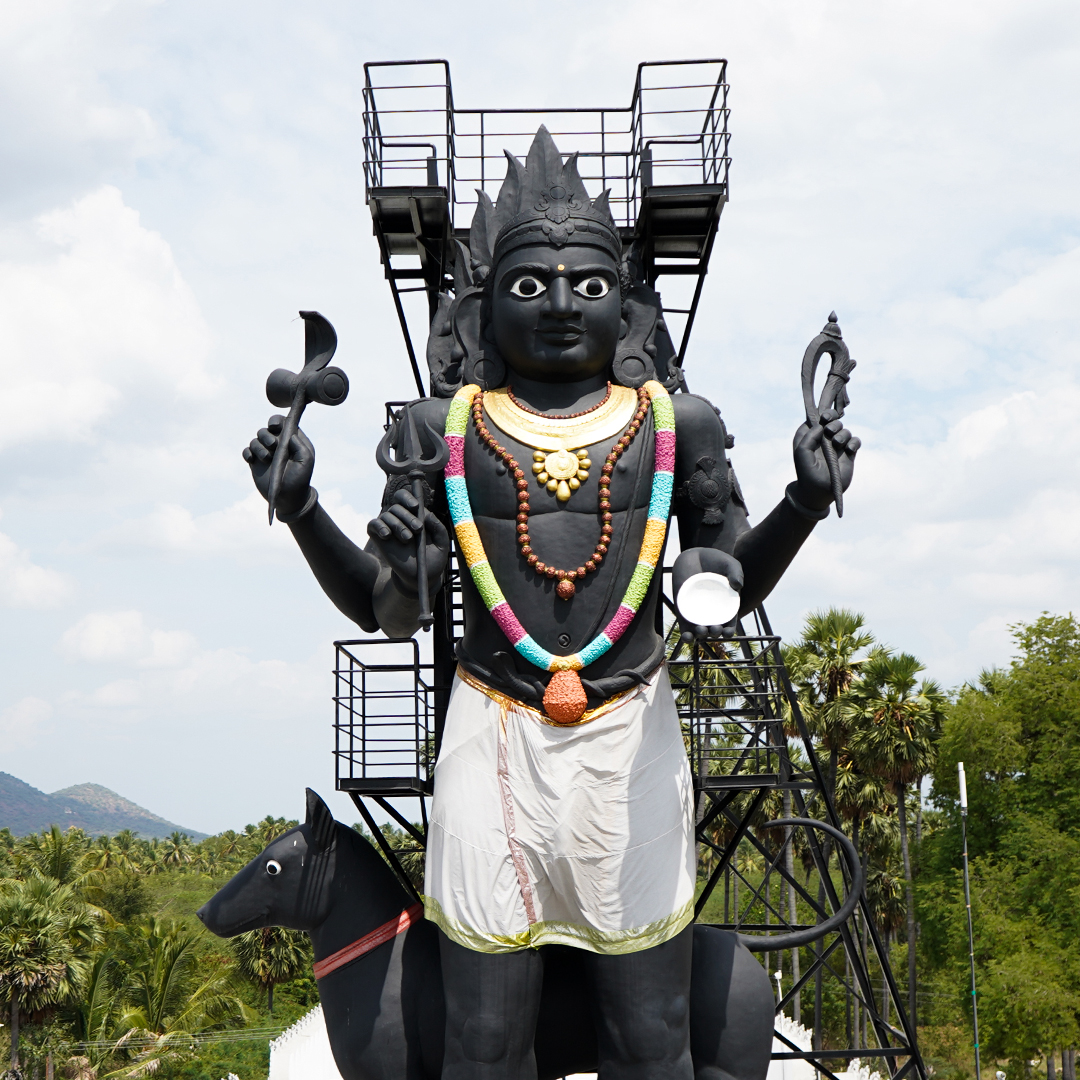
In particular, green kumkum may be offered as prasad in certain Bhairavar temples, as well as in some temples associated with Kubera and Kubera Lakshmi worship.
The significance of green kumkum can vary depending on the temple and its local tradition. Devotees may regard it as a special form of temple prasad and receive it with the same reverence given to other sacred offerings.
Green itself is often culturally associated with ideas such as:
- Growth
- Prosperity
- Well-being
- Freshness
- Abundance
Because of these associations, green kumkum can carry a distinct symbolic meaning in the traditions where it is used.
It is important, however, not to generalize this practice to every Bhairavar or Kubera temple. Green kumkum is a specific temple tradition in certain places, rather than a universal rule followed by all temples.
For devotees who receive it, its importance comes primarily from the deity, temple tradition and personal faith associated with the prasad.
If you want to understand more about green kumkum specifically—including its traditional significance, how devotees use it and why it is associated with certain temples—it is useful to look at the subject separately rather than treating all forms of kumkum as the same.
What Is the Connection Between Green Kumkum and Bhairavar Worship?
Bhairavar worship has its own distinctive rituals and temple traditions.
In some temples, devotees receive special forms of prasad as part of the worship. Green kumkum is one such form found in certain temple traditions.
The meaning attached to it may differ from one temple to another, so it is better to understand it in the context of the particular temple’s customs rather than assigning one universal meaning.
For devotees, the importance of such prasad is often connected to their faith, prayer and relationship with the deity.
This also explains why a simple substance such as kumkum can have different colours and meanings across different spiritual traditions.
Green Kumkum and Kubera-Lakshmi Traditions
Kubera is traditionally associated with wealth and prosperity, while Lakshmi is widely worshipped as the goddess of wealth, abundance and auspiciousness.
Because of this association, certain Kubera and Kubera-Lakshmi temples have their own special practices and offerings.
In temples where green kumkum is given as prasad, devotees may consider it meaningful within that particular worship tradition.
The colour green can also symbolically suggest growth, abundance and prosperity. However, these are traditional symbolic associations, not scientifically proven effects.
This distinction is important when discussing spiritual practices: what is believed by devotees should be respected as a belief without presenting it as a medical or scientific fact.
Kumkum and the Scientific Perspective
It is important to separate traditional beliefs from scientifically established facts.
You may hear claims that applying kumkum between the eyebrows can cure illnesses, improve specific bodily functions or create special physical powers.
Such claims should not be presented as established scientific facts without reliable evidence.
The spiritual meaning of kumkum comes primarily from tradition, religious practices and personal belief.
At the same time, rituals can have a personal psychological meaning. A familiar daily ritual may help someone pause, focus their thoughts or feel connected to their faith and family traditions.
That experience can be meaningful without making unsupported medical claims.
Why Do Married Women Traditionally Wear Kumkum?
In several Indian communities, married women traditionally wear kumkum as a symbol associated with auspiciousness and marital tradition.
In some communities, it may also be understood as an outward sign of marital status.
However, India has a vast range of cultures and customs. The practice is not identical everywhere.
Different regions, communities and families may have their own traditions regarding:
- Who wears kumkum
- When it is worn
- Where it is applied
- What it symbolizes
Therefore, it is better to understand kumkum as part of a diverse cultural tradition rather than assuming that one meaning applies to everyone.
Things to Keep in Mind When Using Kumkum
While kumkum is traditionally used on the forehead, it is still worth paying attention to its quality and ingredients.
A few simple precautions can help:
- Use kumkum intended for skin application.
- Stop using it if it causes irritation or an allergic reaction.
- Avoid contact with the eyes.
- Store it cleanly and keep it away from moisture.
- Treat temple-provided kumkum as prasad with appropriate respect.
- Do not consider spiritual practices a replacement for medical treatment.
These simple precautions allow us to respect the tradition while also being practical about personal care.
So, What Is the Real Meaning of Applying Kumkum?
Applying kumkum may look like a very small daily practice, but its meaning can be much deeper.
For some, it is tradition.
For some, it is devotion.
For some, it represents auspiciousness.
For others, even a special form such as green kumkum may represent their connection to a particular temple and its deity.
That is why it would be difficult to describe kumkum as merely a habit.
It has continued across generations because it carries different meanings for different people.
A Small Tradition With a Deeper Meaning
The next time you see someone applying kumkum to their forehead, it may be worth looking beyond the mark itself.
It can represent a connection to family traditions, religious practices, cultural identity and personal faith.
And when you come across a different form, such as green kumkum offered in certain Bhairavar or Kubera-Lakshmi temple traditions, it is worth understanding the specific temple’s customs and beliefs rather than assuming that every form of kumkum has the same significance.
Traditions become more meaningful when we take the time to understand their background.
Final Thoughts
So, why do we apply kumkum on the forehead?
There is no single answer.
For generations, kumkum has been associated with devotion, auspiciousness, spirituality and Indian cultural traditions. The practice of applying it between the eyebrows also has a place in traditional spiritual interpretations involving awareness and concentration.
Red kumkum may be the most familiar form, but certain temples also have their own distinctive traditions involving green kumkum. In some Bhairavar, Kubera and Kubera-Lakshmi worship traditions, green kumkum may be received as a special form of prasad.
Ultimately, the deeper meaning of kumkum depends on the individual’s faith, family customs, temple tradition and cultural background.
Perhaps that is what makes this simple mark so meaningful.
It is not just something placed on the forehead. For many people, it is a small reminder of where they come from, what they believe in and the traditions they continue to carry forward.