Have you ever stood inside a Hindu temple, waiting for darshan, and wondered why the innermost chamber feels so sacred and different from the rest of the temple?
That space is known as the garbhagriha, or the sanctum sanctorum. It is the spiritual heart of a Hindu temple, where the principal deity is enshrined. Although it may appear small and simple compared with the towering gopuram, spacious halls and beautifully carved pillars, the garbhagriha holds profound architectural and spiritual significance.
Understanding the structure of the Hindu temple garbhagriha helps us appreciate how traditional temple architecture connects sacred space, religious symbolism and the devotee’s spiritual journey.
In this article, let us explore its structure, important architectural elements and deeper spiritual meaning.
What Is a Garbhagriha in a Hindu Temple?
The word garbhagriha comes from two Sanskrit words: garbha, meaning womb, and griha, meaning house or chamber. Together, they are commonly understood as the “womb chamber” of the temple.
The name reflects the idea of a sacred space where spiritual presence is centred and experienced through worship.
In most Hindu temples, the garbhagriha houses the principal deity’s image, known as a murti, or another sacred representation appropriate to the tradition. It is the focal point of darshan, the devotional act of seeing and being in the presence of the deity.
Unlike the more open and elaborate parts of a temple, the inner sanctum is often compact and relatively enclosed. This simplicity is meaningful: the devotee’s attention is directed towards the deity rather than the surrounding architecture.
The exact design varies according to the temple’s age, regional architectural style, deity and religious tradition.
The Structure of the Temple Garbhagriha
The garbhagriha is not merely a room within a building. It forms the central sacred space around which important aspects of traditional Hindu temple architecture are organised.
1. The Sanctum’s Compact and Enclosed Space
A traditional garbhagriha is often designed as a small, enclosed chamber, frequently with a square ground plan. Its restricted space creates a clear distinction between the outer temple and its innermost sacred area.
The entrance may be framed by carved stonework, decorative doorjambs and sculptural details. However, the interior is generally designed to keep attention focused on the principal deity.
When devotees approach the sanctum, the transition from the open halls to this more enclosed space can encourage a quieter, more concentrated state of mind.
2. The Principal Deity or Murti
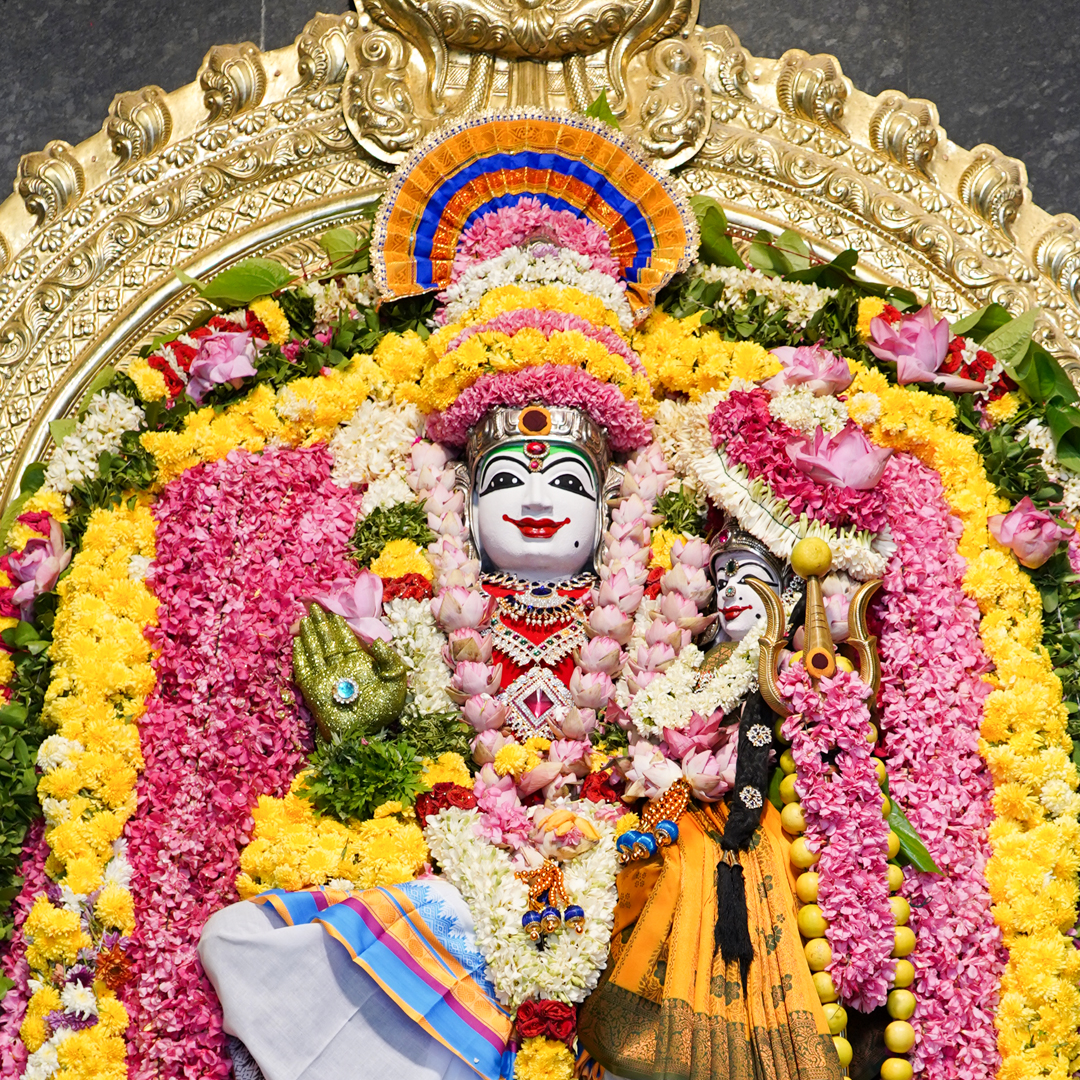
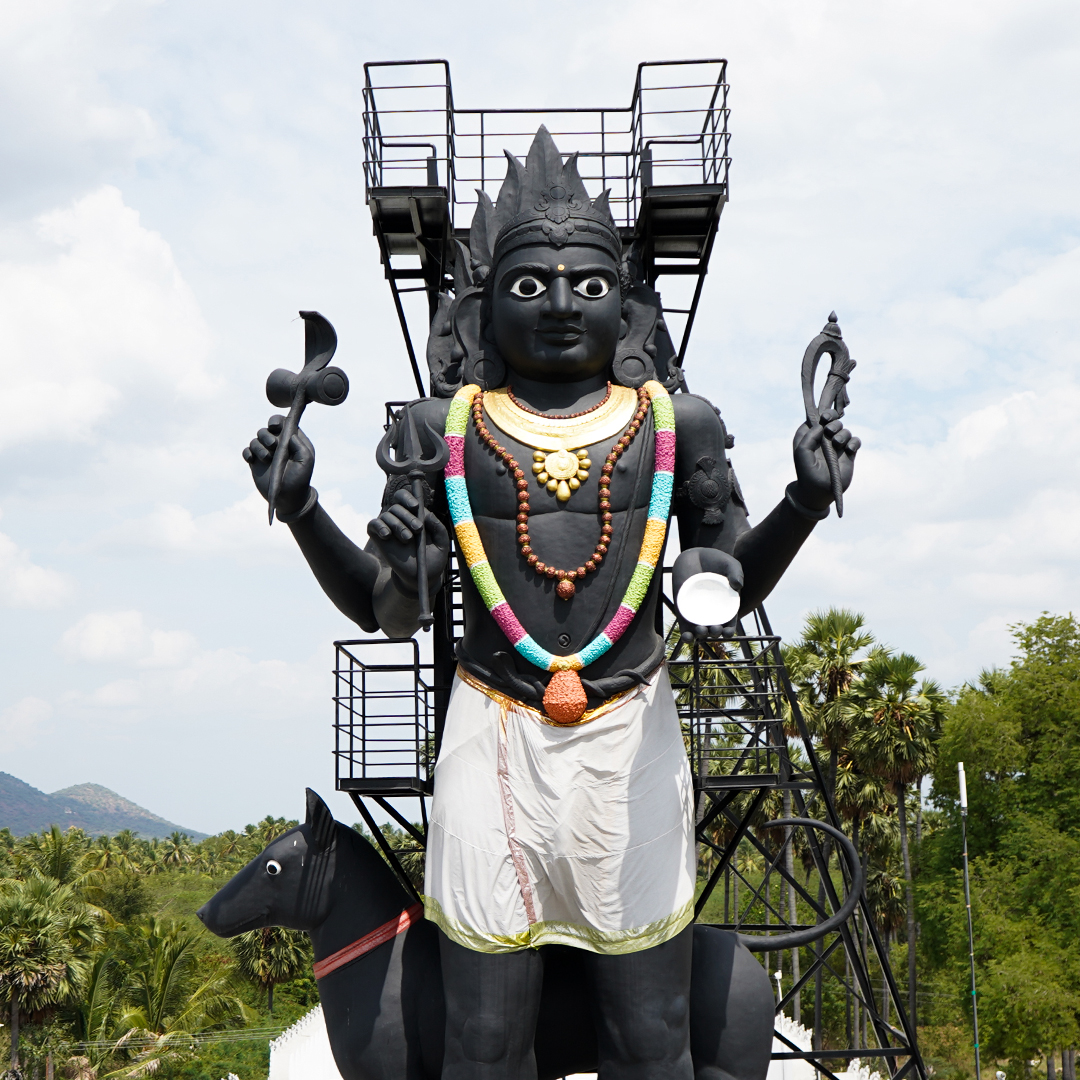
The main deity is the spiritual focus of the garbhagriha. Depending on the temple, the sacred representation may be a form of Shiva, Vishnu, Devi, Ganesha, Murugan or another revered deity.
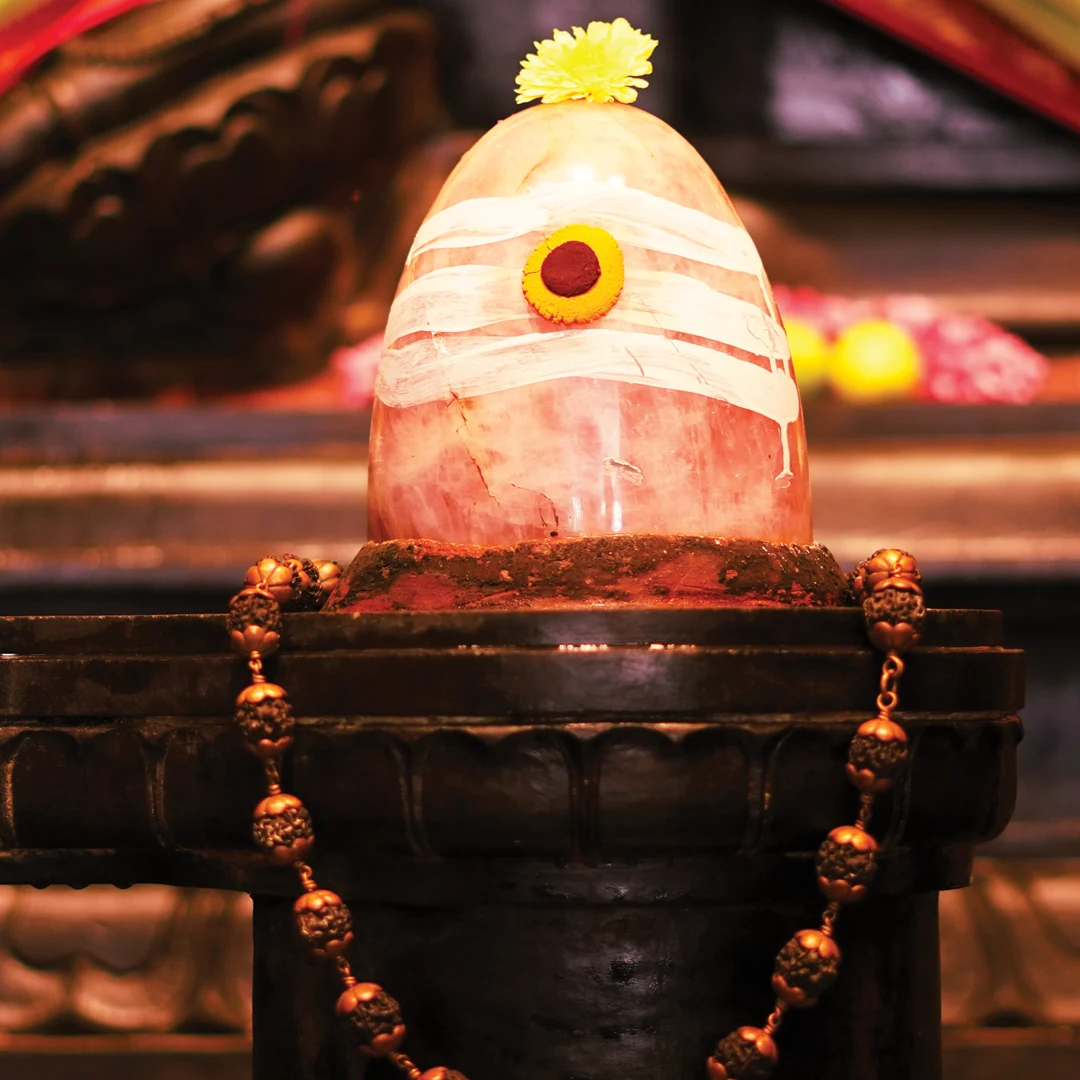
In Shiva temples, for example, the sanctum may enshrine a Shiva lingam. In Vishnu temples, it may contain an image of Vishnu or one of his traditional forms.
The deity’s placement is central to the temple’s religious purpose. Ritual worship, offerings and darshan are organised around this sacred presence, following the practices of the particular temple tradition.
3. The Entrance and Threshold
The entrance to the garbhagriha marks a transition from the outer areas of the temple to its most sacred chamber.
In many traditional temples, the doorway features carefully carved motifs, protective figures, floral patterns or images associated with the temple’s deity and tradition.
The threshold also has a symbolic meaning for devotees. Crossing it, or approaching it respectfully when entry is restricted, represents moving from ordinary activity towards focused worship.
Access rules differ between temples, and some inner sanctums are reserved for authorised priests. Devotees can still participate through darshan and the temple’s established rituals.
4. The Vimana Above the Sanctum
In South Indian Dravidian temple architecture, the tower directly above the garbhagriha is commonly called the vimana. In many North Indian temple styles, the corresponding superstructure is known as the shikhara.
These architectural forms rise above the sacred centre and are often understood symbolically as connecting the earthly world with the divine or cosmic realm.
The vimana should not be confused with the gopuram. The gopuram is the monumental gateway tower commonly seen at the entrances of major South Indian temple complexes, whereas the vimana rises above the inner sanctum.
This distinction is particularly useful when studying traditional Tamil temples.
5. The Antarala and Surrounding Halls
Some Hindu temples include an antarala, or vestibule, between the garbhagriha and the adjoining hall. The exact arrangement depends on the temple’s architectural style and scale.
Beyond this transitional space, devotees may encounter a mandapa, a pillared hall used for worship, gatherings, ceremonies or other religious activities.
In a larger temple complex, the sanctum, vestibule, halls, circumambulatory paths and gateways form a connected architectural arrangement. Each element contributes to the overall experience of approaching the deity.
The Spiritual Meaning of the Garbhagriha
The deeper meaning of the garbhagriha becomes clearer when we look beyond its physical construction.
1. The Womb as a Symbol of Creation
The meaning of “womb chamber” evokes ideas of origin, potential and the emergence of life.
In the spiritual interpretation of Hindu temple architecture, the garbhagriha can represent a sacred source from which existence is understood to emerge. It is a symbolic centre rather than simply an architectural enclosure.
This interpretation reflects traditional religious symbolism; it is not a claim that every Hindu school or temple explains the sanctum in exactly the same way.
2. The Centre of Divine Presence
The garbhagriha provides the primary focus for the temple’s devotional life. The principal deity is enshrined there, and the rituals performed around the sanctum express the relationship between the devotee and the divine.
For many worshippers, darshan is more than looking at a religious image. It is an opportunity to express devotion, seek blessings and renew a personal connection with the deity.
This is one reason the sanctum occupies such an important place in the temple’s design.
3. Darkness, Stillness and Inner Awareness
Many traditional inner sanctums receive relatively little natural light compared with the open halls outside. Oil lamps and ritual lighting may illuminate the deity and the immediate surroundings.
The contrast between the brighter outer spaces and the quieter interior can create a sense of stillness and concentration.
Spiritually, this atmosphere may encourage devotees to pause, leave behind everyday distractions and focus on prayer. The experience varies from temple to temple, but the relationship between space, light and attention is an important part of how sacred architecture is experienced.
4. The Temple as a Symbolic Universe
Traditional Hindu temple design is often interpreted through ideas of cosmic order, sacred geometry and the relationship between the human world and the divine.
In some architectural traditions, the temple’s central layout is associated with the Vastu Purusha Mandala, a geometric planning concept used to organise sacred space.
Within this broader framework, the garbhagriha occupies the central position and represents the spiritual core of the temple. The surrounding structures form part of an ordered whole.
The details differ across historical periods and regional traditions, so not every temple follows one identical plan or symbolic explanation.
5. A Space for Darshan and Devotion
For many devotees, the moment of darshan is the most meaningful part of a temple visit.
The architecture directs attention towards the deity, while established rituals give structure to the encounter. Prayers, offerings, mantras and the presence of other worshippers can all contribute to the experience.
The garbhagriha therefore brings together physical architecture and living religious practice. Its importance is not limited to its stone walls; it also comes from the devotion and traditions centred on it.
Why Is the Garbhagriha Usually at the Centre of the Temple?
The central placement of the garbhagriha reflects the temple’s religious purpose. The principal deity is the focal point, and the arrangement of surrounding halls and spaces supports the movement of worshippers towards that centre.
In many temples, the architectural journey begins at an entrance and proceeds through one or more halls before reaching the sanctum. Some temples also provide a path for pradakshina, the devotional practice of circumambulating the sanctum or another designated sacred structure.
However, the route and accessibility of these spaces vary. Not every temple has the same sequence, and some sanctums do not permit circumambulation immediately around the inner chamber.
The central principle remains that the temple’s design gives prominence to the sacred presence at its heart.
Garbhagriha in South Indian Dravidian Temples
South Indian temples provide particularly striking examples of the relationship between the garbhagriha and the larger temple complex.
A visitor may first notice a towering gopuram, detailed sculptures, expansive courtyards and pillared halls. Yet the main deity’s sanctum remains the central destination of worship.
In Dravidian architecture, the vimana rises above the garbhagriha, visually identifying the location of the sacred core. The surrounding mandapas and other structures accommodate different aspects of religious life.
Tamil Nadu’s historic temples demonstrate considerable variation in scale, design, construction period and ritual tradition. Some have compact sanctums, while others form part of vast complexes developed over many centuries.
This diversity reminds us that Hindu temple architecture is a living tradition rather than a single fixed architectural formula.
Garbhagriha vs Vimana vs Gopuram
Understanding these three terms makes it easier to recognise the major elements of a traditional South Indian temple.
| Temple element | Meaning and function |
|---|---|
| Garbhagriha | The inner sanctum that houses the principal deity or sacred representation. |
| Vimana | The superstructure built above the garbhagriha in South Indian Dravidian architecture. |
| Gopuram | The monumental gateway tower at an entrance to a temple complex. |
| Mandapa | A hall used for worship, ceremonies, gatherings or other temple activities. |
| Antarala | A transitional vestibule between the sanctum and an adjoining hall in temples that include one. |
These elements work together to create the temple’s architectural and devotional setting, although their precise arrangement differs across temples.
How to Appreciate the Garbhagriha During a Temple Visit
You do not need to be an architecture specialist to understand the sanctum more deeply. A few simple observations can make a visit more meaningful.
- Notice the transition: Observe how the entrance, halls and pathways lead towards the sacred centre.
- Look at the structure above: In a South Indian temple, identify the vimana and distinguish it from the entrance gopuram.
- Observe the doorway: Look for stone carvings, symbolic figures and decorative details without obstructing other worshippers.
- Understand the darshan tradition: Learn about the principal deity and the temple’s customary rituals from reliable temple sources.
- Respect local practices: Follow instructions about photography, footwear, access restrictions and appropriate conduct.
If possible, read about the temple’s history and architectural period before visiting. This helps distinguish documented historical features from later interpretations or popular beliefs.
Frequently Asked Questions
What does garbhagriha mean?
Garbhagriha is a Sanskrit term commonly translated as “womb chamber.” It refers to the inner sanctum of a Hindu temple, where the principal deity or sacred representation is enshrined.
Why is the garbhagriha important in Hindu temples?
It is the primary sacred space of the temple and the focal point of worship and darshan. Its position and design express the central role of the deity in the temple’s religious life.
Why is the garbhagriha often dark?
Many traditional sanctums are enclosed and receive limited natural light. Lamps and ritual lighting may illuminate the deity. The resulting atmosphere can encourage concentration and devotional attention, although lighting arrangements vary.
What is the difference between a garbhagriha and a vimana?
The garbhagriha is the inner sanctum itself. The vimana is the superstructure above that sanctum in South Indian Dravidian temple architecture.
Is every Hindu temple garbhagriha the same?
No. The size, plan, entrance, superstructure and surrounding spaces vary according to architectural style, historical period, deity and religious tradition. Some temples also have distinctive sanctum arrangements.
Conclusion: The Sacred Heart of Hindu Temple Architecture
The garbhagriha is one of the most significant elements of Hindu temple architecture. Its compact structure, sacred placement and relationship with the deity give it a meaning that extends beyond its physical dimensions.
From the enclosed sanctum and its principal deity to the vimana rising above it, the architecture brings together craftsmanship, religious symbolism and devotional practice.
The next time you visit a Hindu temple, look beyond the towering gateway and elaborate exterior. Consider how the halls, thresholds and inner chamber guide attention towards the sacred centre.
In that journey from the outer spaces to the garbhagriha, the temple reveals one of its most enduring ideas: architecture can do more than shelter worship. It can help give devotion a place, a focus and a form.