Have you ever noticed how a soothing melody can instantly calm your mind, or how the sound of temple bells creates a feeling of peace? Sound has always played a powerful role in human life—not just as a way to communicate, but also as a tool for emotional and spiritual well-being.
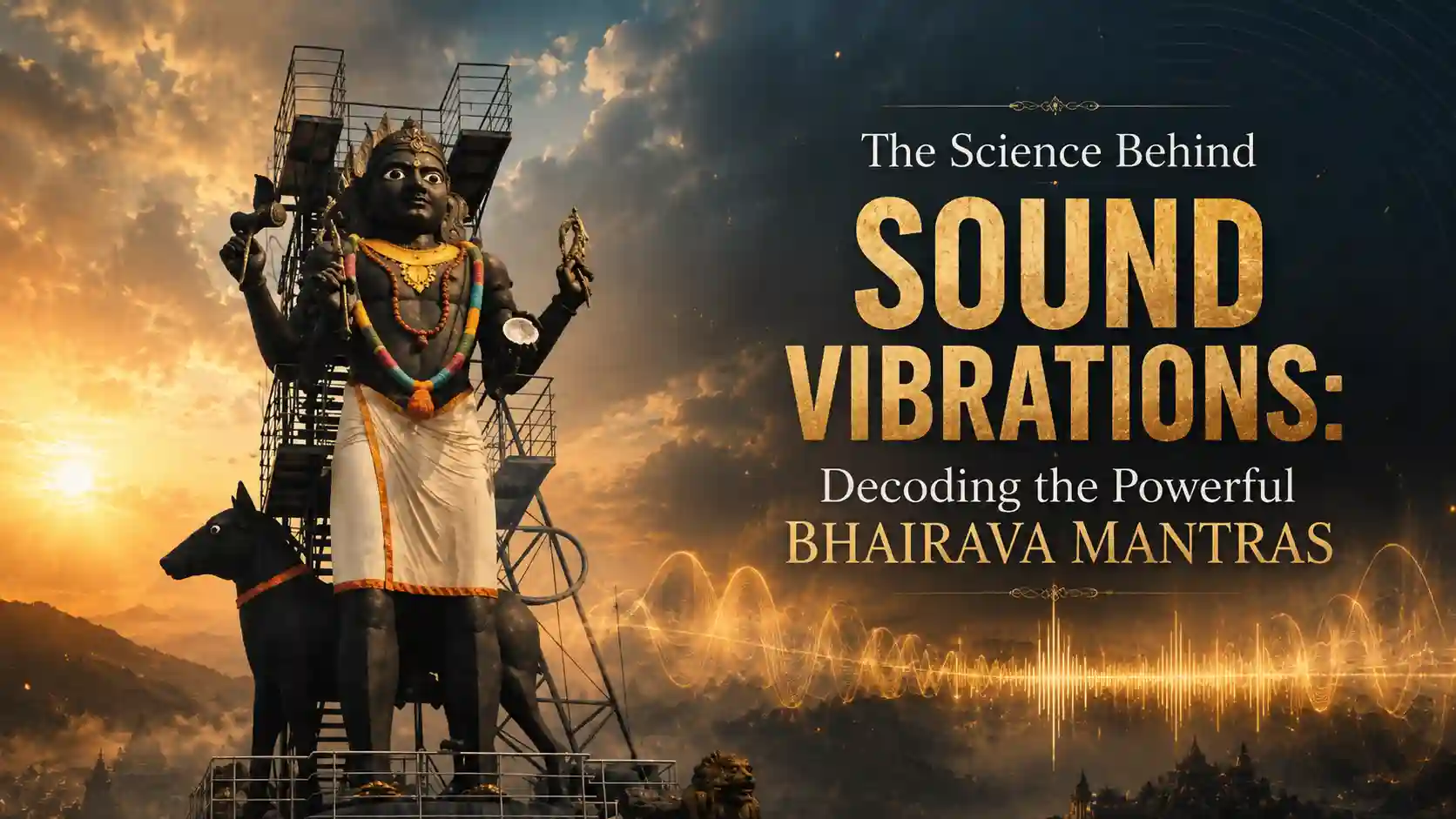
In Hindu tradition, Bhairava Mantras are regarded as sacred vibrations that help devotees cultivate courage, focus, and devotion. While spiritual texts describe these mantras as a divine connection with Lord Kalabhairava, modern researchers are also exploring how rhythmic chanting may influence breathing, concentration, and the nervous system.
This article looks at Bhairava Mantras from both traditional wisdom and scientific understanding, helping you appreciate why these sacred chants continue to be practiced across generations.
Understanding Sound Vibrations
Every sound we hear is created by vibrations traveling through the air. These vibrations reach our ears, where the brain processes them into recognizable sounds.
Although we often think of sound as something we simply hear, researchers have found that repetitive rhythms and vocal chanting can influence our breathing patterns, attention, and emotional state. This explains why chanting has remained an important part of meditation, prayer, and spiritual disciplines for thousands of years.
Why Are Bhairava Mantras Special?
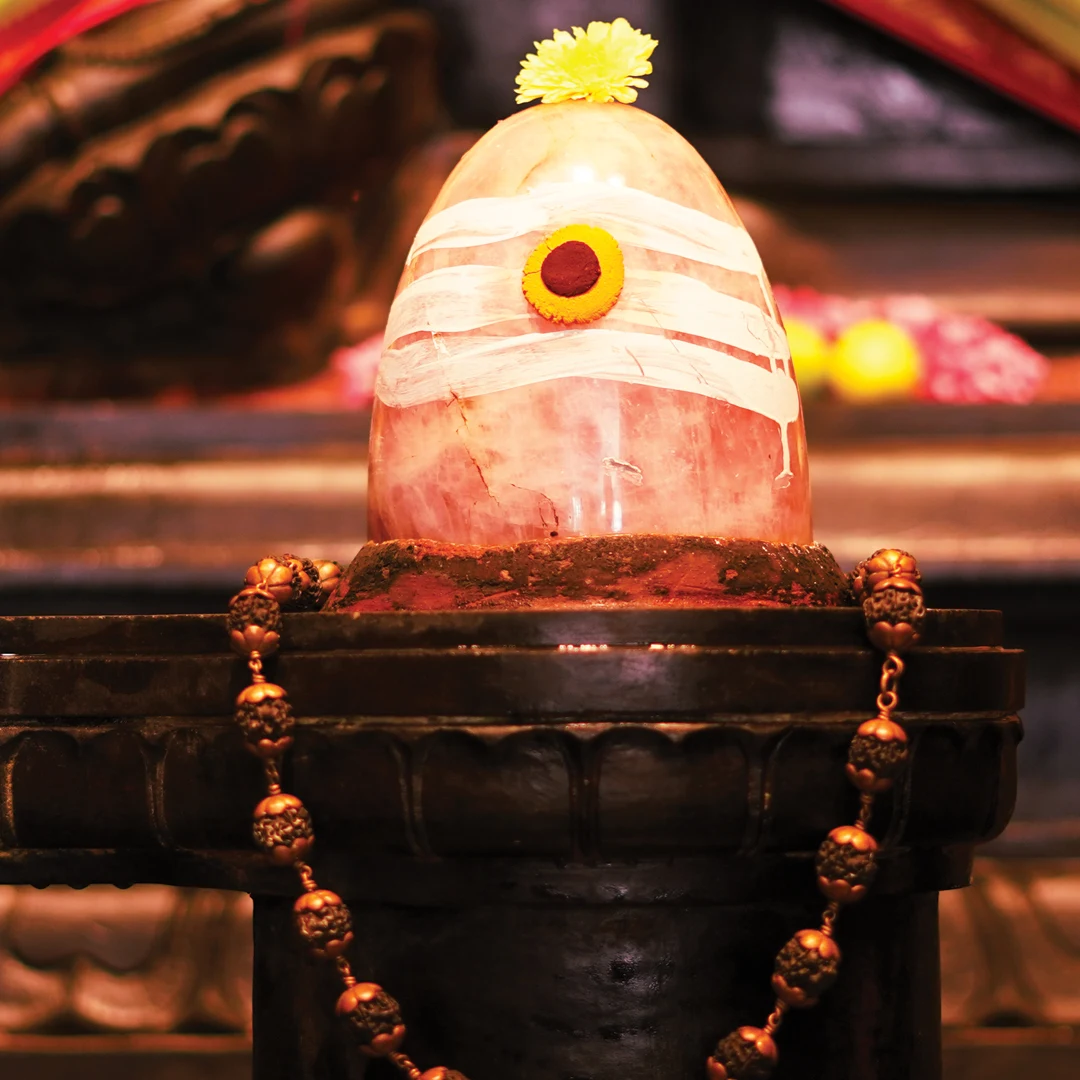
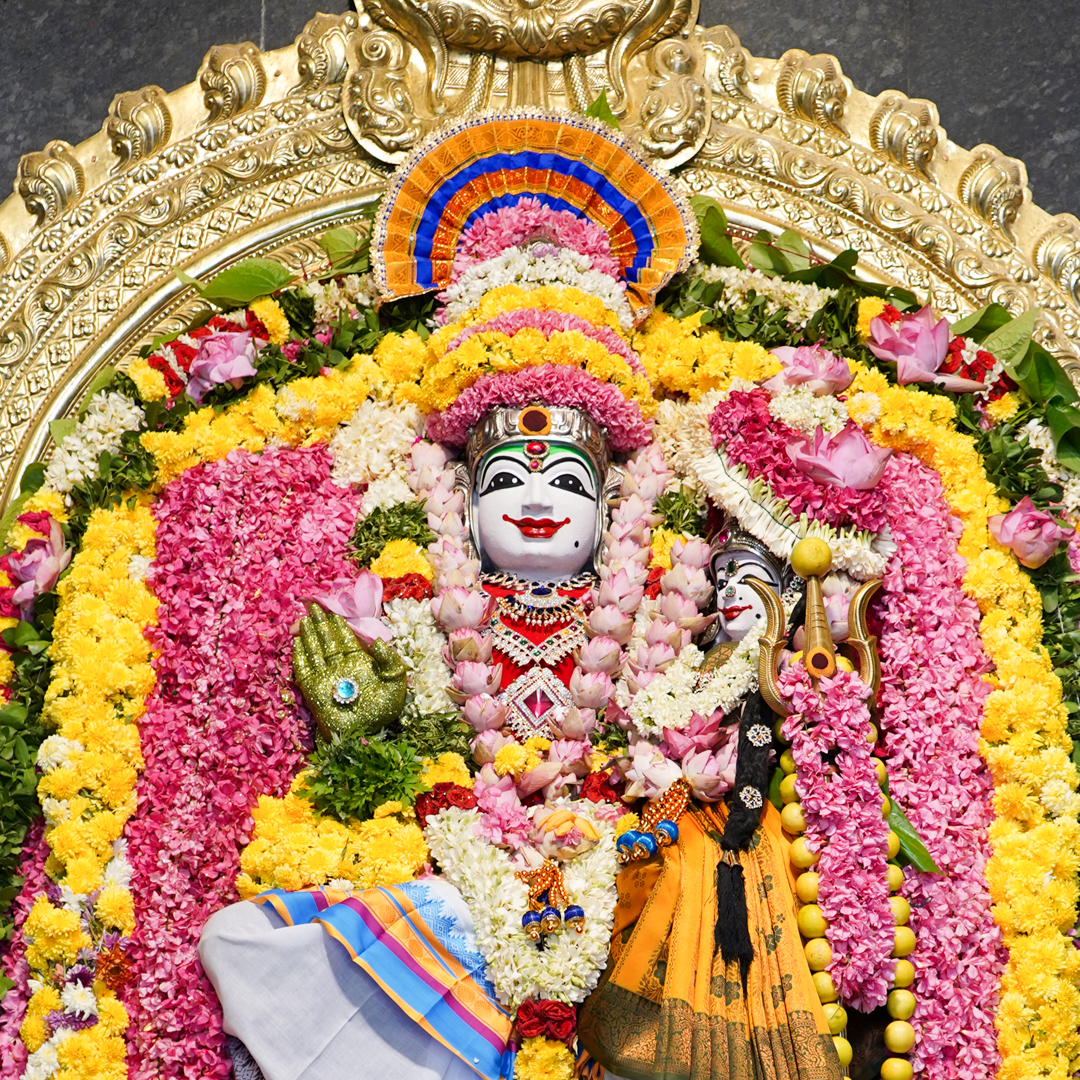
Bhairava Mantras are devotional chants offered to Lord Kalabhairava, one of the most revered forms of Lord Shiva. In Hindu philosophy, Kalabhairava symbolizes courage, discipline, protection, and the wise use of time.
Many devotees believe that chanting these mantras with sincerity helps create a peaceful state of mind while strengthening their spiritual connection.
One of the simplest and most popular chants is:
Om Kalabhairavaya Namah
Rather than focusing only on pronunciation, traditional teachings emphasize chanting with devotion, awareness, and a calm mind.
What Does Science Say About Mantra Chanting?
Although science cannot measure spiritual experiences directly, many studies have examined how repetitive chanting influences the body and mind.
Encourages Relaxed Breathing
When a mantra is chanted slowly and rhythmically, breathing naturally becomes deeper and more regular. This controlled breathing is associated with relaxation and may help reduce everyday stress.
Supports Better Concentration
Repeating a single phrase gives the mind one point of focus. As distracting thoughts gradually reduce, many practitioners experience greater clarity and improved attention.
Creates a Meditative State
Researchers studying meditation have observed that repetitive chanting may encourage brain activity linked with relaxation and mindfulness. While experiences differ from person to person, many people describe feeling calmer after regular practice.
Builds Positive Mental Habits
Daily repetition of meaningful words can encourage discipline and emotional stability. From a psychological perspective, this consistent practice may help replace scattered thinking with a greater sense of awareness and balance.
The Spiritual Meaning of Bhairava Mantras
For devotees, Bhairava Mantras are much more than sound—they are expressions of faith.
Traditional beliefs associate these chants with:
- Inner courage
- Spiritual protection
- Freedom from fear
- Mental discipline
- Devotion to Lord Shiva
These beliefs are rooted in Hindu scriptures and centuries of spiritual practice rather than scientific measurement.
Benefits People Commonly Experience
Those who regularly include Bhairava Mantras in their daily routine often describe experiences such as:
- Feeling mentally calmer
- Improved focus during meditation
- Greater emotional stability
- Increased confidence during difficult situations
- A stronger sense of spiritual connection
- More disciplined daily habits
- A peaceful atmosphere during prayer
Personal experiences naturally differ depending on individual belief, consistency, and meditation practice.
A Simple Way to Practice
You don’t need an elaborate ritual to begin chanting.
Choose a quiet place where you won’t be disturbed. Sit comfortably with your spine straight, close your eyes, and take a few slow breaths before beginning.
Softly chant:
Om Kalabhairavaya Namah
You may repeat it 11, 27, 54, or 108 times according to your comfort and tradition. The goal is not speed but mindful repetition.
When Should You Chant?
Many devotees prefer chanting during:
- Brahma Muhurta (before sunrise)
- Evening meditation
- Saturdays
- Kalabhairava Ashtami
Still, the most important aspect is sincerity rather than timing.
Mistakes Beginners Often Make
Instead of rushing through the mantra, focus on quality over quantity.
Avoid:
- Chanting without concentration
- Expecting immediate miracles
- Practicing in noisy surroundings
- Ignoring breathing
- Treating chanting as a mechanical task
Frequently Asked Questions
Is there scientific proof that Bhairava Mantras work?
Scientific research supports the benefits of meditation, slow breathing, and repetitive chanting for relaxation and mental focus. The spiritual effects associated with Bhairava Mantras, however, belong to the realm of faith and religious tradition.
Can anyone chant Bhairava Mantras?
Yes. The simple mantra Om Kalabhairavaya Namah is widely chanted by devotees. More advanced tantric practices are traditionally learned under the guidance of a qualified guru.
How much time should I spend chanting?
Even 10 to 15 minutes of focused chanting each day can become a meaningful part of a meditation routine.
Final Thoughts
The relationship between sound, meditation, and spiritual practice has fascinated humanity for centuries. Whether viewed through the lens of neuroscience or ancient Hindu wisdom, Bhairava Mantras continue to offer many people a simple way to cultivate mindfulness, discipline, and inner peace.
Rather than seeking instant transformation, approach the practice with patience, consistency, and devotion. Over time, the greatest change often comes not from the sound itself, but from the calm awareness it helps develop within.