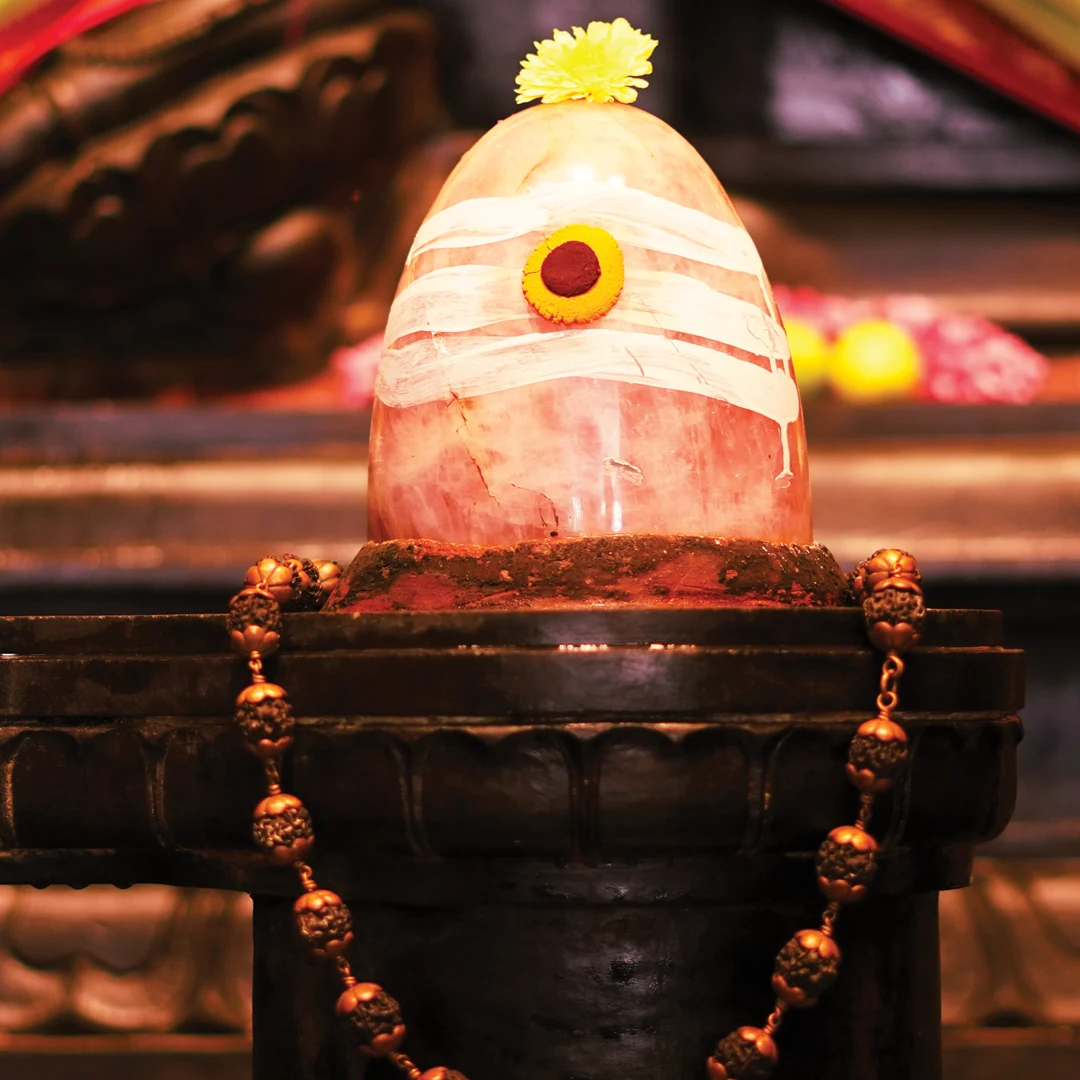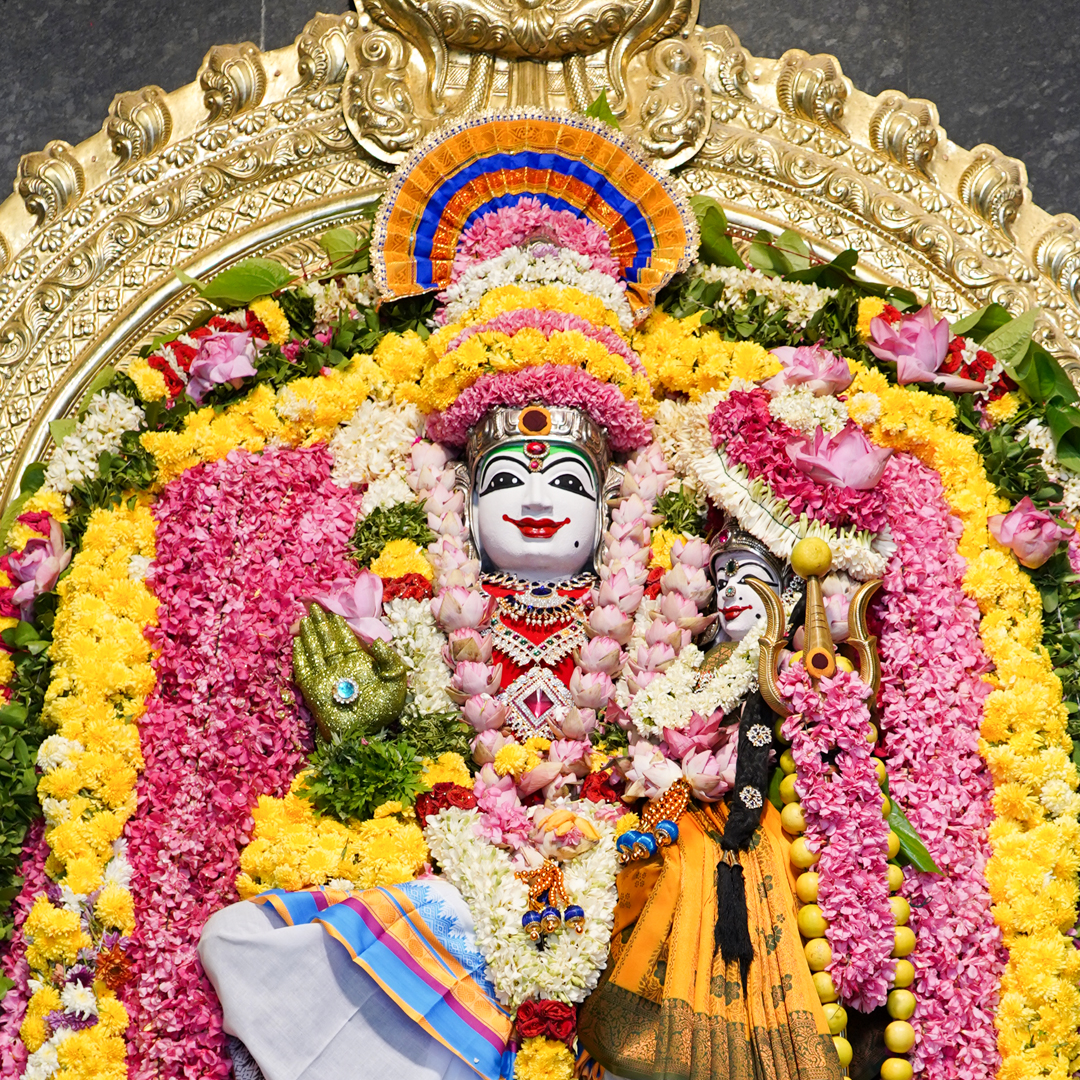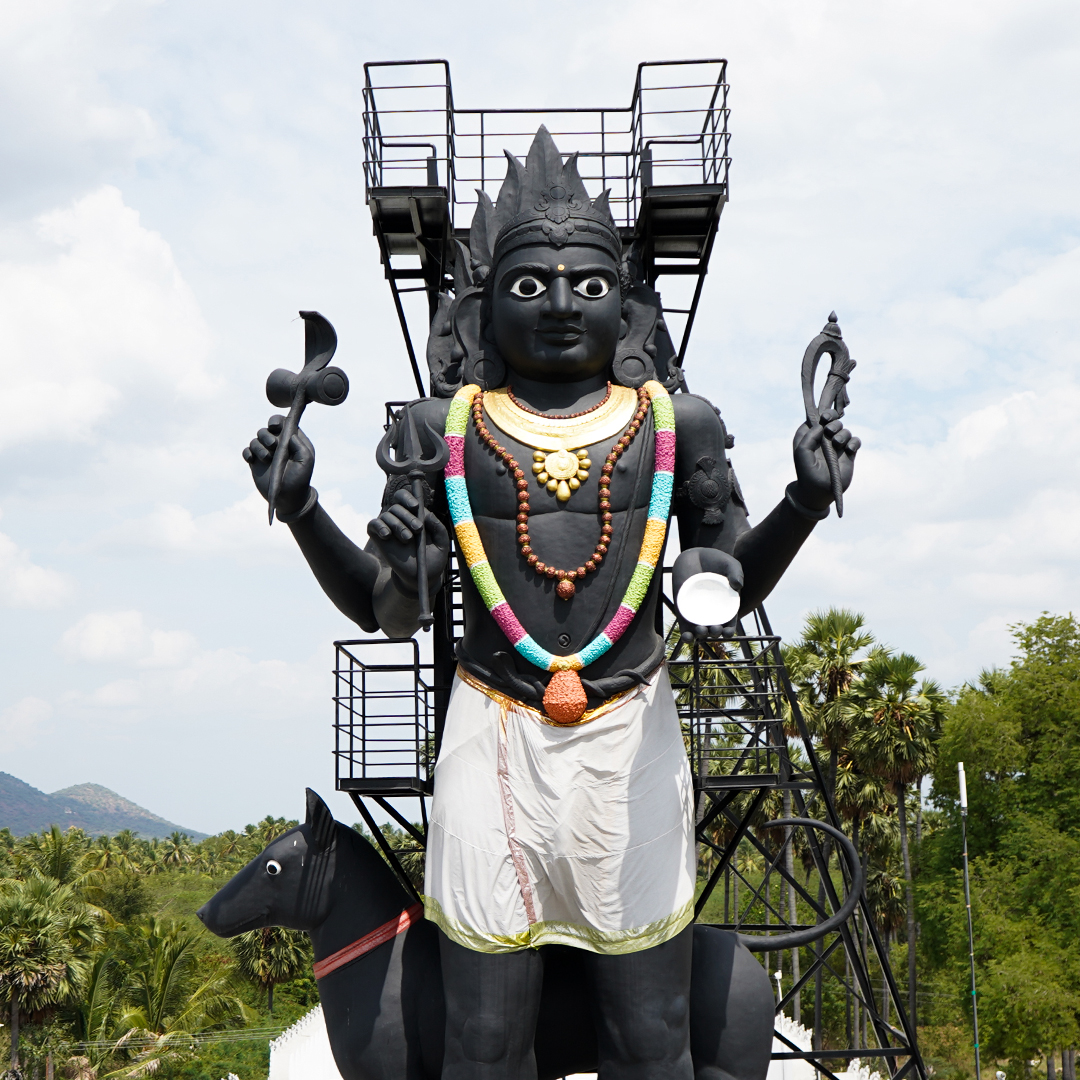
There are some forms of worship that feel deeply connected to protection, courage, and inner strength. karungali Pooja is one such form of devotional practice followed by devotees who feel a spiritual connection with Karungali.
For many families, worship is not only about performing a ritual correctly. It is also about creating a peaceful space, remembering the divine with sincerity, and taking a few moments away from everyday worries.
If you are planning to perform karungali Pooja at home or visit a temple for worship, understanding the basic traditions can help you approach the practice with greater clarity and devotion.
What Is Karungali Pooja?
Karungali Pooja refers to devotional worship offered to Karungali. The exact form of worship can differ according to the temple, family tradition, local customs, and the specific form of the deity being worshipped.
The central idea is simple: devotees approach the deity with faith and offer prayers according to the tradition they follow.
Flowers, lamps, fruits, turmeric, kumkum, and other traditional offerings may be used depending on the custom. In temple worship, additional rituals may be performed by priests according to the temple’s established practice.
Because traditions can vary from one place to another, it is better not to assume that there is only one fixed method of performing Karungali Pooja.
Why Do Devotees Worship Karungali?
Devotees may approach Karungali worship for different spiritual reasons.
For some, the prayer is associated with seeking courage and inner strength during difficult periods. Others may see the worship as a way of expressing gratitude, seeking divine protection, or maintaining a regular spiritual practice.
These beliefs are part of devotional tradition rather than something that can be scientifically measured.
The most meaningful part of the practice for many devotees is the sense of faith and mental focus that comes from sitting quietly, lighting a lamp, offering prayers, and remembering the divine.
How to Prepare for Karungali Pooja
A peaceful beginning can make the worship experience more meaningful.
Before starting the pooja, devotees traditionally pay attention to cleanliness and prepare the worship area.
A simple preparation may include:
- Cleaning the pooja space
- Taking a bath and wearing clean clothes
- Arranging the deity or picture respectfully
- Keeping flowers and traditional offerings ready
- Lighting a lamp
- Keeping the surroundings calm and clean
- Taking a few moments to settle the mind before beginning the prayer
There is no need to make the arrangement unnecessarily complicated. Sincere devotion and following the tradition of your family or temple are more important than making the ritual elaborate.
Karungali Pooja Procedure
The exact procedure may vary depending on the tradition followed. A simple devotional sequence can be understood through the following steps.
1. Clean the Worship Area
Begin by cleaning the place where the pooja will be performed. If you have a dedicated pooja space, arrange the deity or image respectfully.
2. Light a Lamp
Light a traditional lamp and begin the worship calmly. The lamp is commonly used in Hindu worship as a symbol of light and spiritual awareness.
3. Offer Flowers
Flowers can be offered to Karungali while remembering the deity with devotion. If your temple or family tradition specifies particular flowers, follow that practice.
4. Offer Traditional Naivedyam
Fruits, cooked food, or other suitable offerings may be placed before the deity according to family or temple custom.
It is useful to remember that food offerings can differ considerably between traditions. If you are unsure, asking the priest at the temple you follow is the safest way to understand the local practice.
5. Offer Kumkum and Other Traditional Items
Depending on the tradition, devotees may offer kumkum, turmeric, flowers, sandalwood, or other pooja materials.
These offerings are not merely decorative. For devotees, they form part of a familiar devotional routine that connects the present moment with a long-standing tradition.
6. Chant or Recite Prayer
Spend a few minutes in prayer. You may recite the prayer or mantra traditionally followed in your family or temple.
If you do not know a specific mantra, a sincere prayer in your own words is also a simple way to express devotion.
7. Perform Aarti
If aarti is part of the tradition you follow, perform it respectfully and conclude the worship with prayer.
After the pooja, the offerings may be received as prasadam according to the custom being followed.
What Can Be Offered During Karungali Pooja?
Offerings can vary depending on the temple and local tradition. Common devotional items may include:
- Flowers
- Fruits
- Coconut
- Turmeric
- Kumkum
- Incense
- Traditional lamps
- Cooked food or other naivedyam
However, there is no universal list that applies to every Karungali temple or household.
If you are visiting a particular temple for the first time, it is better to check the temple’s own pooja instructions rather than bringing an offering based only on information found online.
Which Day Is Suitable for Karungali Worship?
The suitable day for Karungali worship depends on the specific temple tradition and the form of worship being followed.
Some devotees may choose a particular weekday, monthly observance, festival day, or a day recommended by their family tradition.
Instead of treating one particular day as universally prescribed, devotees can follow the practice maintained by their temple or spiritual tradition.
Regular prayer performed with sincerity can also become a meaningful part of one’s routine.
Can Karungali Pooja Be Performed at Home?
Yes, devotees may choose to worship at home if their family tradition permits it.
A simple home worship does not necessarily require a large ritual setup. A clean pooja space, lamp, flowers, suitable offerings, and sincere prayer can form the basis of a personal devotional practice.
However, certain rituals may involve specific procedures, mantras, or temple customs. In such cases, guidance from a knowledgeable priest or the temple associated with the tradition is preferable.
Karungali Pooja and Spiritual Significance
One reason devotional practices continue across generations is that they often become part of everyday life.
Karungali worship can provide devotees with a quiet moment to pause, pray, and reflect.
The ritual itself creates a familiar sequence: cleaning the space, lighting the lamp, offering flowers, reciting prayers, and concluding with aarti. For many people, this routine can encourage concentration and a sense of spiritual discipline.
The deeper significance therefore may not be limited to the physical offerings. It can also be found in the faith, attention, gratitude, and discipline with which the worship is performed.
What Should You Keep in Mind During the Pooja?
If you are new to Karungali worship, there is no need to feel anxious about remembering every small detail.
A few simple principles can help:
- Keep the worship area clean.
- Follow your family or temple tradition.
- Use offerings that are traditionally accepted in that practice.
- Avoid changing temple-specific rituals based on random online advice.
- Maintain a calm and respectful mindset.
- If you are unsure about a mantra or ritual procedure, ask a priest or knowledgeable person.
- Focus on devotion rather than making the ritual unnecessarily complicated.
Common Questions About Karungali Pooja
Is Karungali Pooja only performed in temples?
Not necessarily. Devotees may worship at temples or maintain a suitable home prayer practice, depending on their family and spiritual traditions.
What should I offer to Karungali?
Flowers, fruits, coconut, turmeric, kumkum, lamps, and naivedyam are among the traditional items that may be used. The exact offerings depend on the particular temple or tradition.
Can beginners perform Karungali Pooja?
Beginners can start with simple devotional worship. For rituals involving specific mantras or detailed procedures, it is better to learn the method from the temple or a knowledgeable priest.
Is there a fixed Karungali Pooja procedure?
There may not be one procedure followed everywhere. Ritual practices can differ according to temple customs, family traditions, and regional practices.
What is the most important part of Karungali worship?
For devotees, sincere prayer and respectful observance are central to worship. Following the appropriate tradition is more important than making the pooja unnecessarily elaborate.
Final Thoughts
Karungali Pooja is more than a list of ritual steps. For devotees, it can be a personal way of connecting with the divine through prayer, offerings, discipline, and remembrance.
If you are beginning this form of worship, start by understanding the tradition followed by your family or the temple you visit. Keep the practice simple, respectful, and sincere.
Most importantly, remember that Hindu worship traditions can differ from one region and temple to another. When a particular ritual has a specific local practice, following the guidance of the temple or a knowledgeable priest can help you preserve that tradition correctly.
Whether performed at a temple or as a simple home prayer, the heart of the practice remains the same: devotion, reverence, and a sincere moment of connection with the divine.