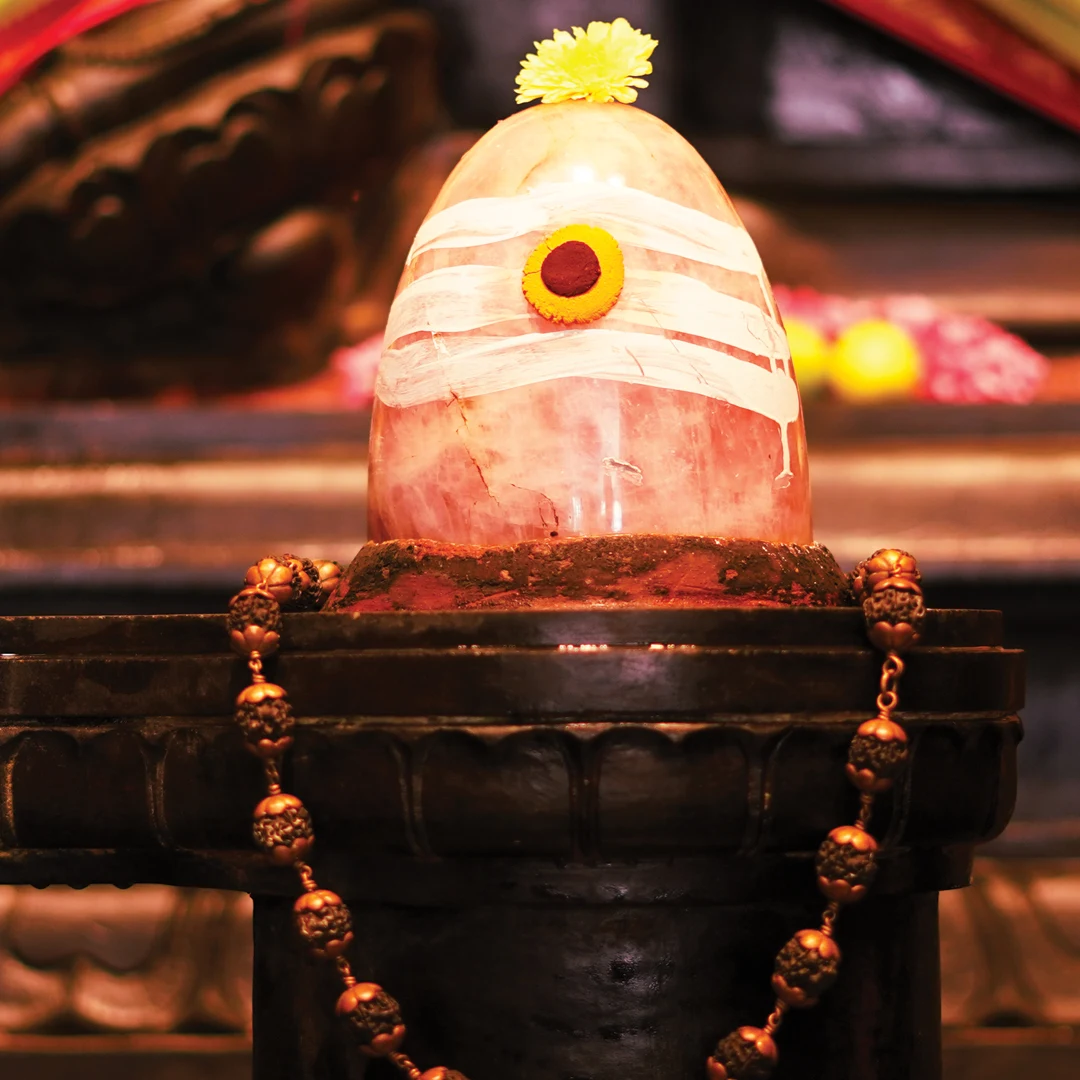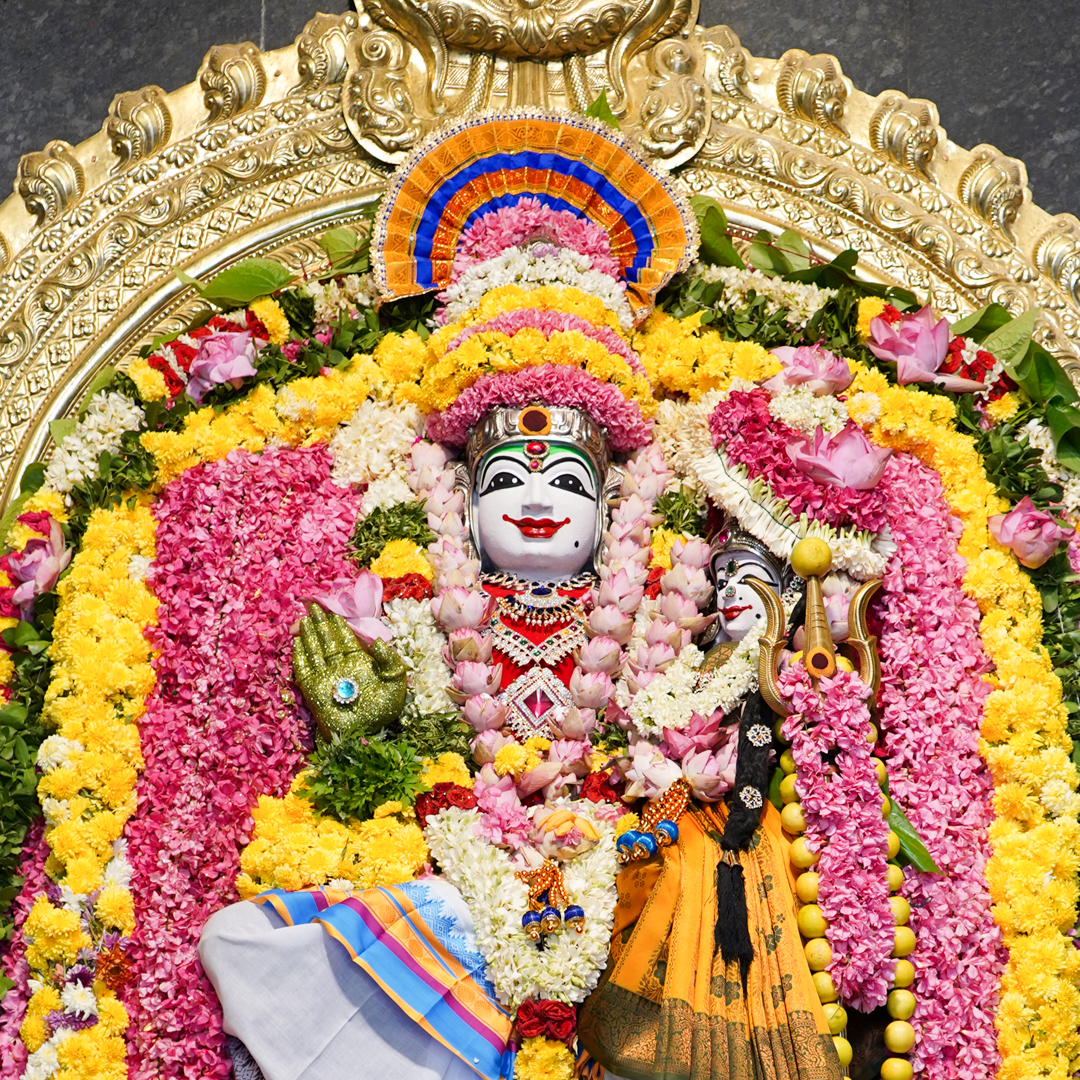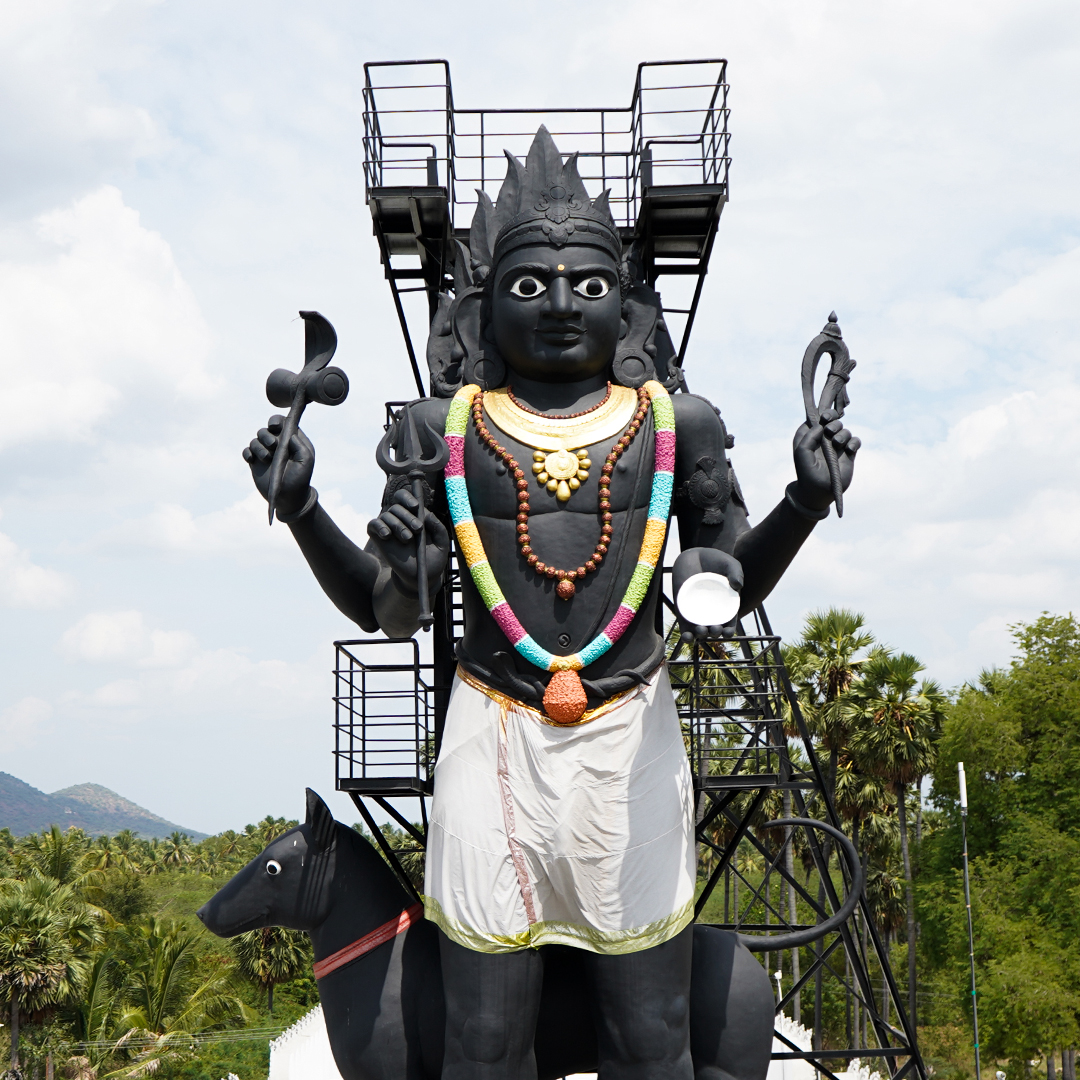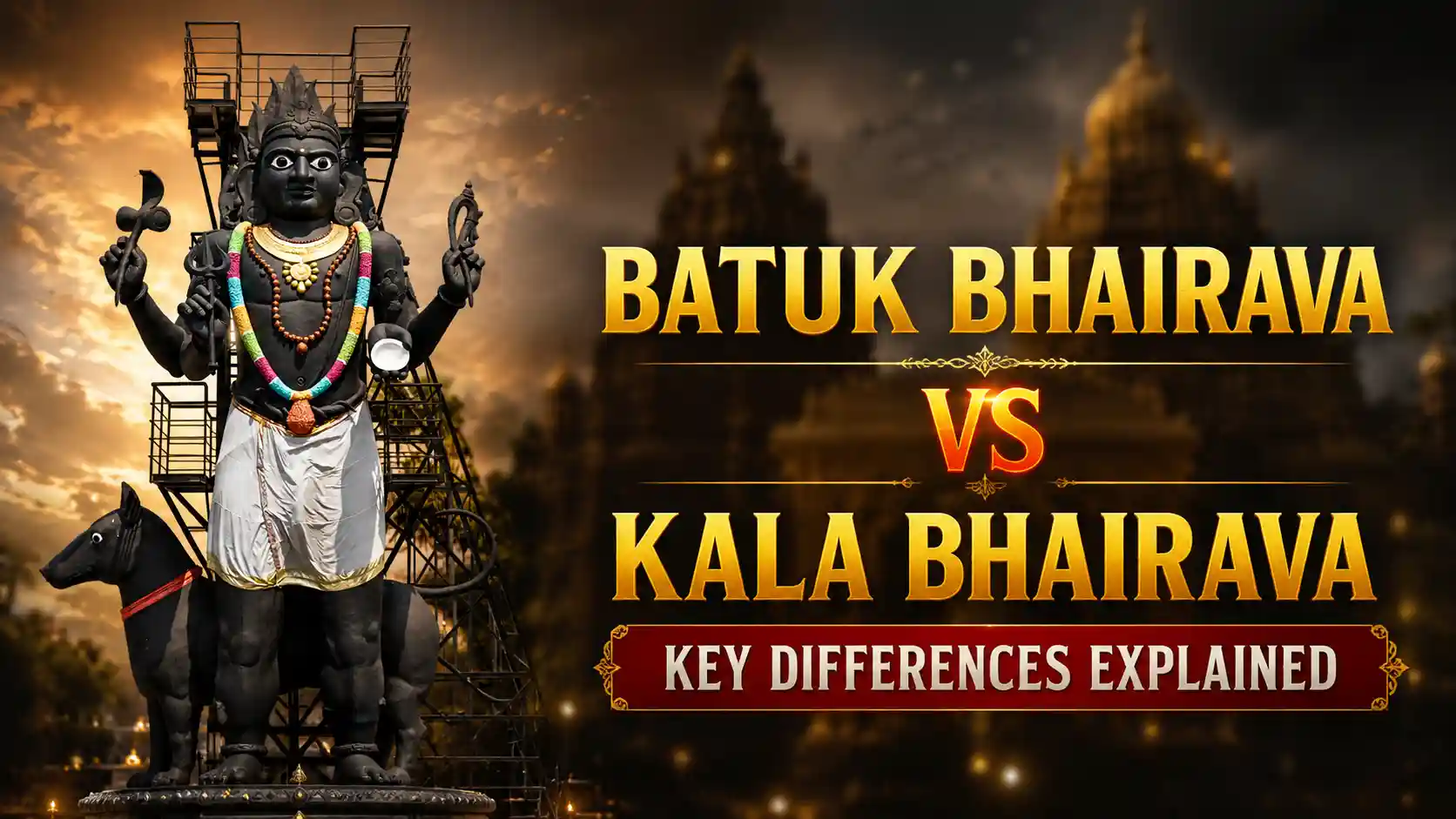
Among the many divine manifestations of Lord Shiva, Bhairava is revered as the fierce yet compassionate protector who safeguards devotees and upholds cosmic order. In Hindu spiritual traditions, Bhairava appears in several forms, each representing a unique aspect of divine energy.
Two of the most widely worshipped forms are Batuk Bhairava and Kala Bhairava. Although both are manifestations of Lord Shiva, they differ in appearance, symbolism, and the spiritual intentions associated with their worship.
This guide explores the key differences between Batuk Bhairava and Kala Bhairava, their significance in Hindu tradition, and how devotees may approach their worship according to their personal faith and spiritual practice.
Who Is Batuk Bhairava?
Batuk Bhairava, also known as Bala Bhairava, represents the youthful or child form of Bhairava. The word Batuk means “young boy,” symbolizing innocence, compassion, purity, and divine grace.
Unlike the fierce forms of Bhairava, Batuk Bhairava is generally regarded as gentle and approachable. Many devotees worship Him for peace, prosperity, family well-being, and protection from everyday obstacles.
Spiritual Significance of Batuk Bhairava
- Represents Lord Shiva in a youthful form.
- Symbolizes compassion and divine protection.
- Worshipped for family harmony and prosperity.
- Associated with new beginnings and positive energy.
- Believed by devotees to remove obstacles from daily life.
Who Is Kala Bhairava?
Kala Bhairava is one of the most powerful forms of Lord Shiva and is traditionally revered as the Lord of Time (Kala).
In Shaivism, Kala Bhairava is regarded as the guardian of dharma and the protector of sacred spaces. Many temples dedicated to Lord Shiva have a shrine for Kala Bhairava, where devotees offer prayers seeking courage, discipline, and spiritual protection.
His fierce appearance symbolizes the destruction of fear, ignorance, and negative influences rather than anger.
Spiritual Significance of Kala Bhairava
- Revered as the Lord of Time.
- Symbolizes discipline, courage, and protection.
- Worshipped for spiritual strength and inner transformation.
- Associated with overcoming fear and uncertainty.
- Honored during Kala Ashtami and other sacred observances.
Batuk Bhairava vs Kala Bhairava: Key Differences
| Feature | Batuk Bhairava | Kala Bhairava |
|---|---|---|
| Appearance | Youthful or child form | Fierce divine form |
| Symbolism | Compassion, prosperity, harmony | Time, protection, discipline |
| Worship Purpose | Family well-being and positive beginnings | Spiritual growth and protection |
| Popular Worship | Daily prayers and family worship | Kala Ashtami and Shiva temple worship |
| Spiritual Focus | Peace and prosperity | Courage, discipline, and transformation |
Which Form Should You Worship?
There is no universal answer.
Both Batuk Bhairava and Kala Bhairava are sacred manifestations of Lord Shiva, and Hindu traditions encourage devotees to worship according to their faith, family customs, and spiritual aspirations.
Many devotees choose Batuk Bhairava when praying for:
- Family happiness
- Prosperity
- Peaceful home environment
- Success in new ventures
Others worship Kala Bhairava when seeking:
- Courage during difficult times
- Spiritual discipline
- Protection from fear
- Inner strength and self-transformation
Ultimately, sincere devotion and regular spiritual practice are considered more important than choosing one form over another.
How to Worship Bhairava
Devotional practices vary across regions and traditions. Common forms of worship include:
- Offering prayers during the early morning or evening.
- Lighting a lamp before the deity.
- Chanting Bhairava mantras with devotion.
- Reciting Kala Bhairava Ashtakam or other Bhairava hymns.
- Visiting Shiva temples where Bhairava is worshipped.
- Performing acts of kindness and compassion, which many devotees consider an important part of spiritual practice.
Frequently Asked Questions
Is Batuk Bhairava different from Kala Bhairava?
Both are manifestations of Lord Shiva, but they represent different divine aspects and are worshipped with different spiritual intentions.
Can I worship both Batuk Bhairava and Kala Bhairava?
Yes. Many devotees worship both forms according to their personal faith, family tradition, or during different occasions.
When is Kala Bhairava commonly worshipped?
Kala Bhairava is especially worshipped on Kala Ashtami, although many devotees offer daily prayers throughout the year.
Is Batuk Bhairava suitable for family worship?
Many Hindu families worship Batuk Bhairava seeking peace, prosperity, protection, and harmony within the household.
Final Thoughts
Batuk Bhairava and Kala Bhairava are not opposing forms—they are complementary manifestations of the same divine consciousness of Lord Shiva.
Batuk Bhairava represents compassion, youthful grace, and auspicious beginnings, while Kala Bhairava embodies discipline, protection, and the timeless power of Shiva.
The choice of worship ultimately depends on your spiritual path, family tradition, and personal devotion. In Hindu philosophy, it is heartfelt faith, ethical living, and sincere prayer that are considered the foundation of meaningful worship.