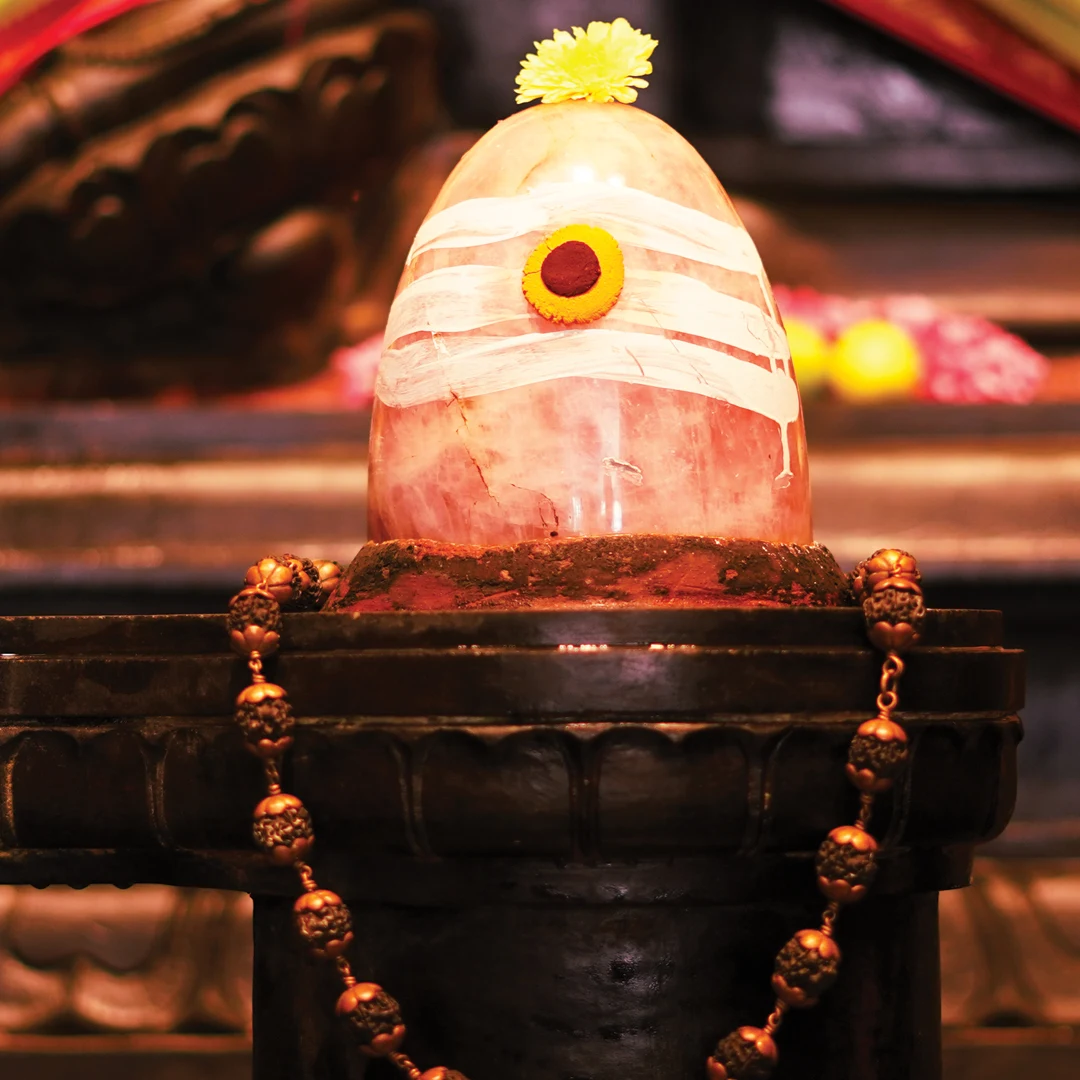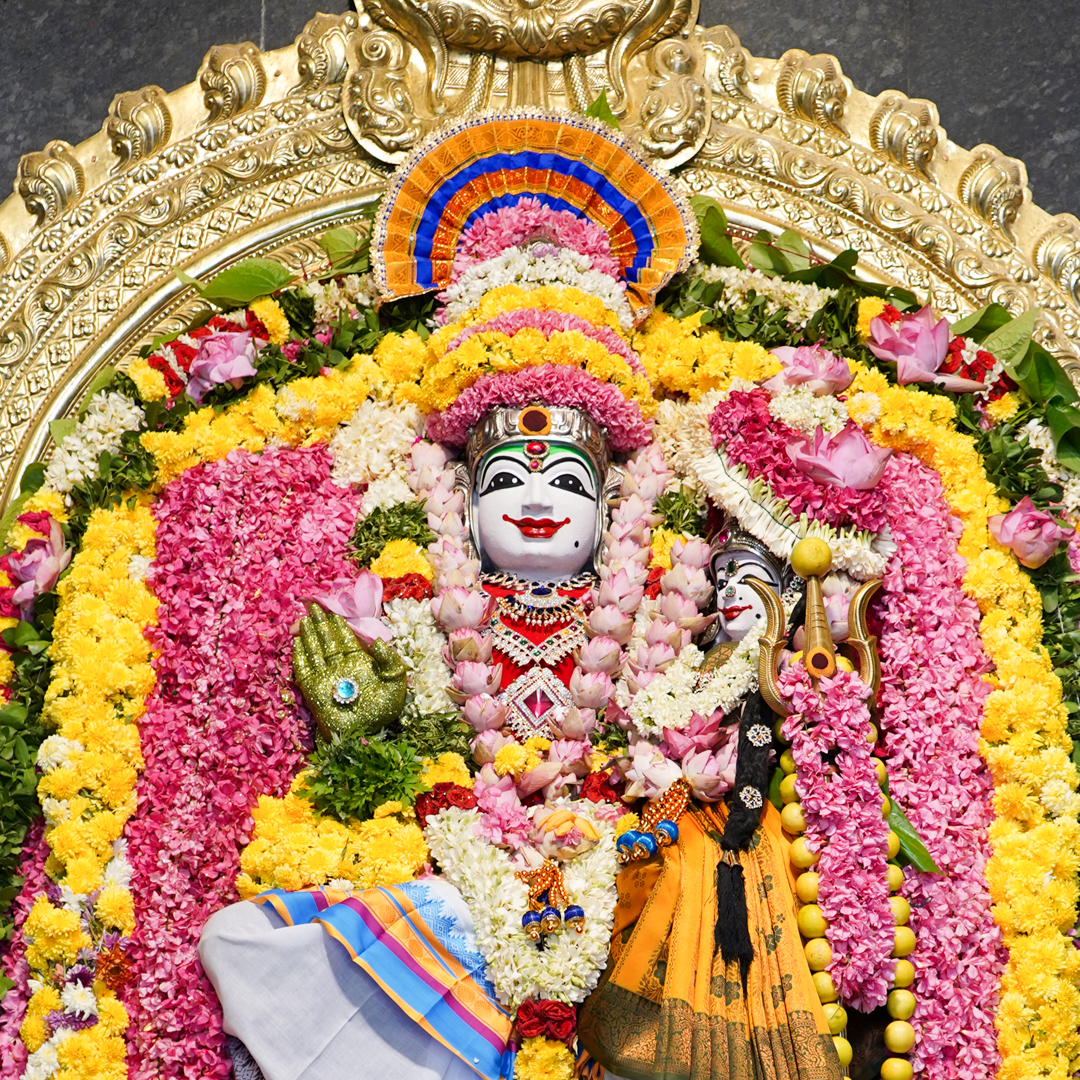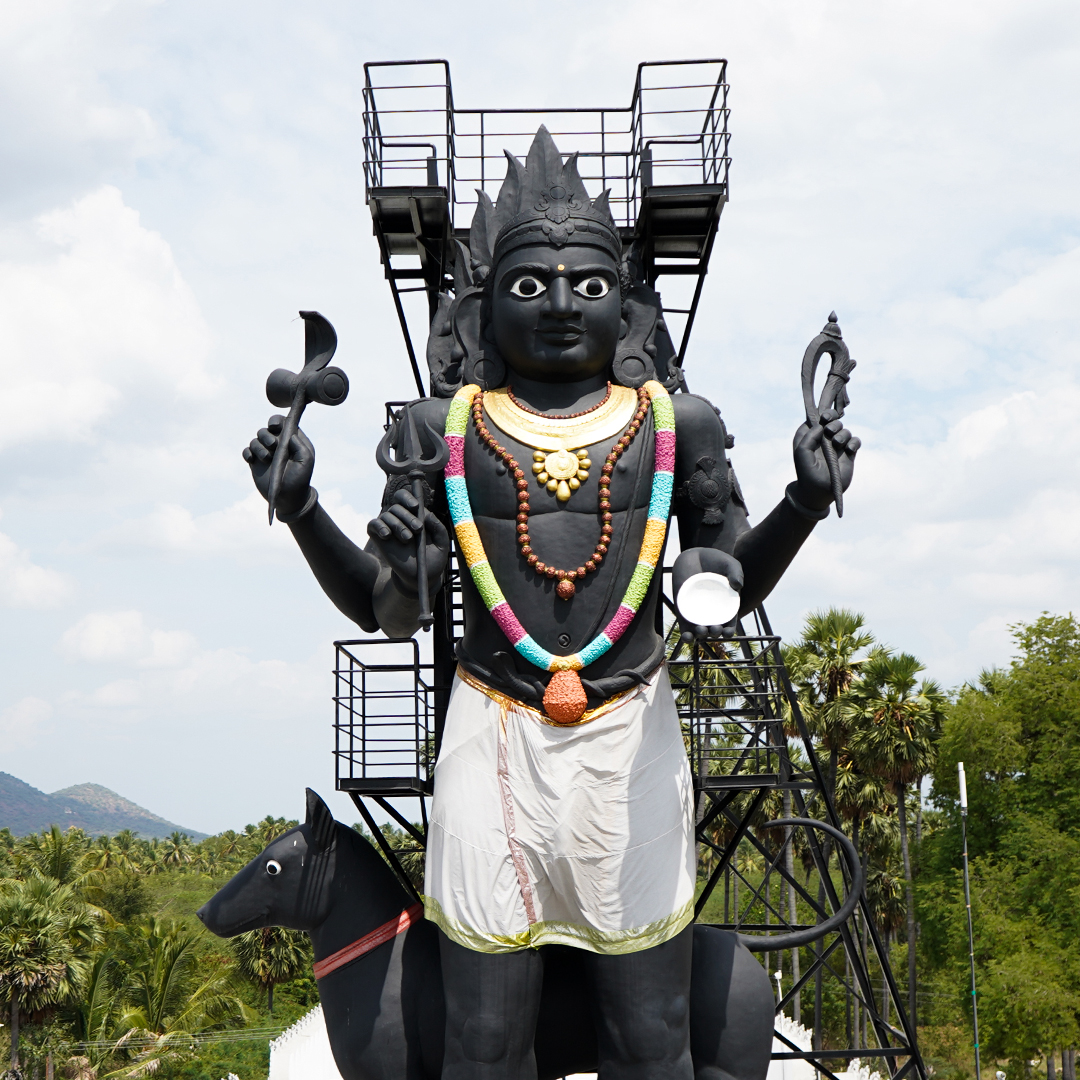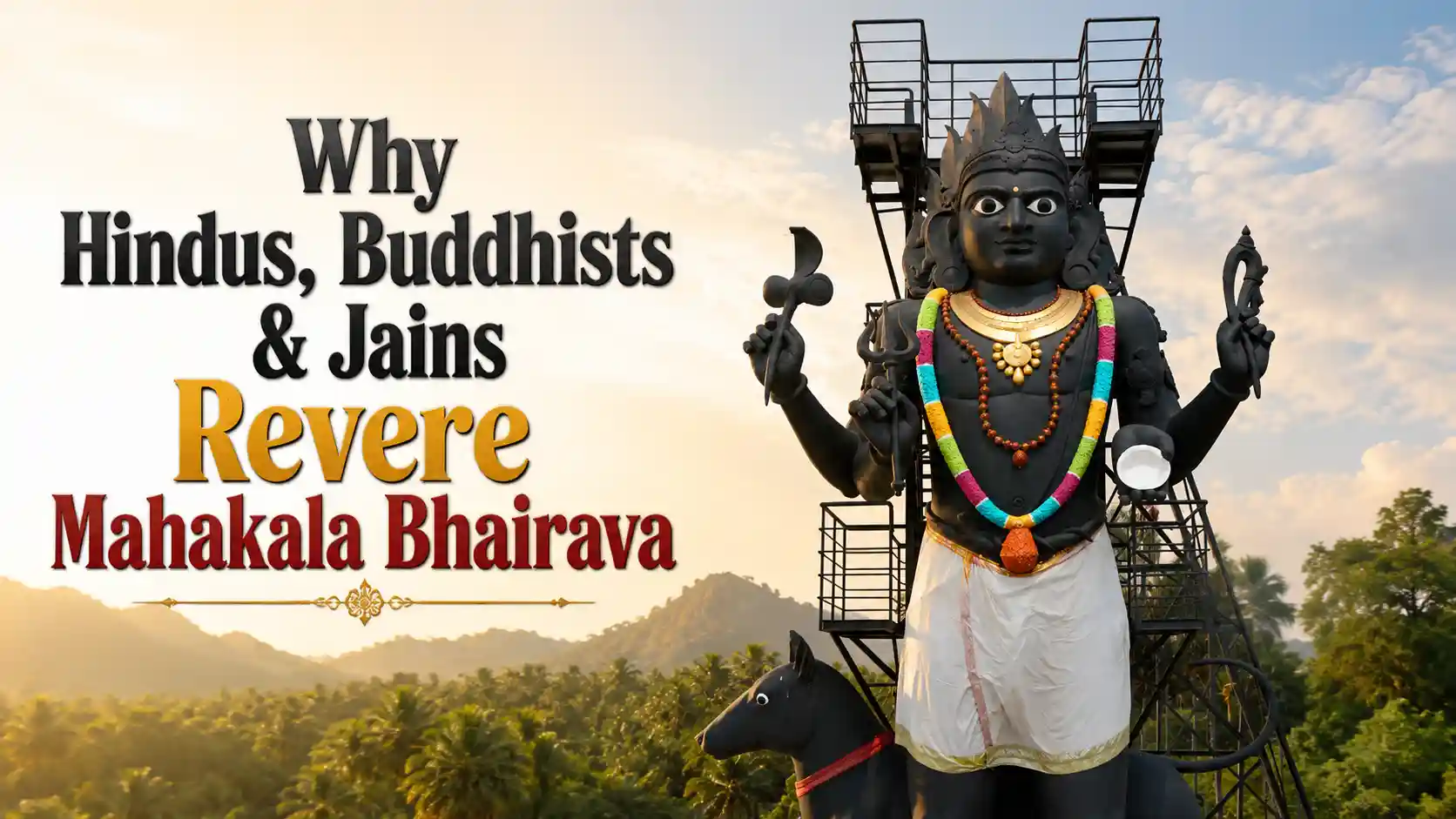
When people hear the name Mahakala(Kala Bhairava), they often associate Him exclusively with Lord Shiva or Kala Bhairava in Hinduism. However, Mahakala’s influence extends far beyond a single religious tradition.
For centuries, Hindus, Vajrayana Buddhists, and certain Jain traditions have revered Mahakala as a powerful spiritual guardian. Although each tradition interprets His role differently, they all recognize Him as a protector against ignorance, negativity, and spiritual obstacles.
This remarkable presence across multiple religions makes Mahakala one of the most fascinating spiritual figures in South Asian history.
In this article, we explore why Mahakala is respected across these traditions and what His symbolism teaches us today.
Who is Mahakala?
The Sanskrit word Mahakala combines two words:
- Maha – Great
- Kala – Time
Together, Mahakala means:
“The Great Lord of Time” or “The One Beyond Time.”
Rather than representing destruction alone, Mahakala symbolizes the eternal force that governs birth, transformation, death, and renewal.
He reminds devotees that everything in the universe changes with time, while the ultimate spiritual truth remains eternal.
Mahakala in Hinduism
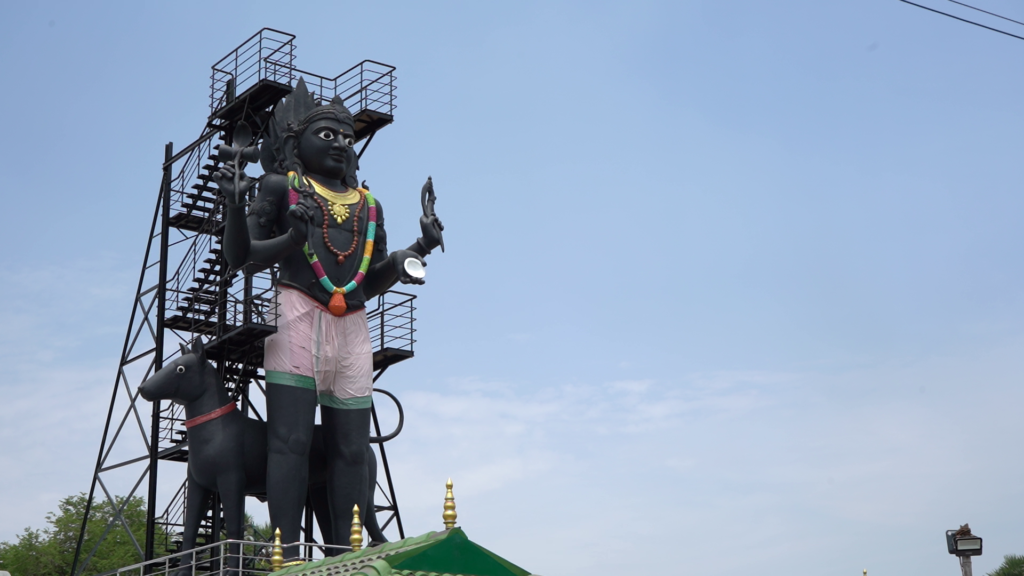
Within Hinduism, Mahakala is closely associated with Lord Shiva, particularly His fierce manifestation as Kala Bhairava.
In Shaivism, Mahakala represents:
- Protector of Dharma
- Guardian of sacred places
- Destroyer of ego and ignorance
- Controller of cosmic time
- Remover of negative energies
Unlike ordinary deities who grant worldly blessings, Mahakala also represents inner transformation. His fierce appearance is symbolic—not of cruelty—but of destroying illusion and helping devotees progress spiritually.
The famous Mahakaleshwar Jyotirlinga in Ujjain is one of the most revered shrines dedicated to this form of Shiva.
Mahakala in Vajrayana Buddhism
One of the most surprising facts is that Mahakala also occupies an important place in Tibetan Buddhism.
Here, Mahakala is not worshipped as the Supreme Creator, but as a Dharmapala, meaning Protector of the Buddha’s Teachings (Dharma).
His primary responsibilities include:
- Protecting Buddhist monasteries
- Safeguarding meditation practitioners
- Removing obstacles from spiritual practice
- Defending the teachings of the Buddha
Despite His fierce appearance, Mahakala embodies compassion expressed through strength.
Several forms of Mahakala appear in Tibetan iconography, including:
- Four-Armed Mahakala
- Six-Armed Mahakala
- White Mahakala
- Black Mahakala
Each form represents different aspects of protection and wisdom.
Mahakala in Jain Traditions
Jainism is widely recognized for its emphasis on non-violence (Ahimsa) and spiritual discipline.
Interestingly, certain historical Jain traditions also acknowledge Mahakala.
In these traditions, Mahakala is regarded as a Yaksha, a guardian deity who protects sacred spaces and supports devotees in maintaining their spiritual discipline.
Unlike Hindu worship, Mahakala is not considered the supreme object of devotion within Jain philosophy.
Instead, His role is primarily protective, serving as a guardian associated with temples and revered spiritual figures.
It is important to note that this practice is found only in certain regional Jain traditions and is not universally followed across all Jain communities.
A Shared Spiritual Symbol Across Religions
Although Hinduism, Buddhism, and Jainism differ significantly in philosophy, Mahakala represents several universal spiritual principles shared by all three traditions.
These include:
- Protection of righteousness
- Discipline over the mind
- Victory over ignorance
- Respect for time
- Spiritual awakening
- Inner courage
This common symbolism explains why Mahakala continues to inspire devotees across religious boundaries.
Why Does Mahakala Look Fierce?
Many first-time visitors wonder why Mahakala appears so intimidating.
His fierce appearance is symbolic.
It represents:
- Destruction of ego
- Elimination of fear
- Removal of ignorance
- Protection against harmful influences
- Transformation through wisdom
The frightening form reminds devotees that spiritual growth often requires confronting one’s own attachments and limitations.
Mahakala and Kala Bhairava: Are They the Same?
In many Shaiva traditions, Mahakala and Kala Bhairava are closely connected.
Kala Bhairava is often understood as the active guardian who governs time, karma, and sacred order.
Mahakala represents the timeless cosmic reality from which all creation emerges and into which everything eventually returns.
Depending on the tradition, they may be viewed as different manifestations of the same divine principle or as distinct theological forms with overlapping symbolism.
Spiritual Lessons from Mahakala
Beyond rituals and temple worship, Mahakala teaches profound life lessons.
He reminds us to:
- Value time wisely.
- Let go of ego.
- Accept change without fear.
- Live ethically.
- Develop inner discipline.
- Focus on spiritual growth rather than temporary success.
These teachings remain relevant regardless of one’s religious background.
Why Mahakala Continues to Inspire Millions
Mahakala’s enduring presence across multiple traditions demonstrates that true spiritual symbols often transcend religious boundaries.
Whether viewed as Shiva’s fierce manifestation, a Buddhist Dharma Protector, or a guardian deity within certain Jain traditions, Mahakala ultimately represents the victory of wisdom over ignorance and courage over fear.
His worship is not merely about seeking protection but about transforming one’s inner life through discipline, awareness, and devotion.
Conclusion
Mahakala is one of the few spiritual figures honored across Hinduism, Vajrayana Buddhism, and selected Jain traditions.
Although each religion interprets His role differently, they all recognize Him as a guardian who protects sacred values and guides seekers toward higher spiritual awareness.
Rather than focusing solely on His fierce appearance, understanding Mahakala’s deeper symbolism reveals timeless lessons about courage, discipline, and the power of inner transformation.
Frequently Asked Questions
Is Mahakala the same as Kala Bhairava?
In many Shaiva traditions, Mahakala and Kala Bhairava are closely related manifestations of Lord Shiva, though interpretations vary among different schools.
Why do Buddhists worship Mahakala?
In Vajrayana Buddhism, Mahakala is revered as a Dharmapala, a protector of Buddhist teachings and practitioners rather than a creator deity.
Is Mahakala worship common in Jainism?
Mahakala appears as a guardian deity (Yaksha) in certain historical and regional Jain traditions, but this practice is not universal across all Jain communities.
What does Mahakala symbolize?
Mahakala symbolizes the mastery of time, protection, wisdom, transformation, and the destruction of ignorance.
Is Mahakala a symbol of destruction?
Not in the ordinary sense. His fierce form represents the destruction of ego, fear, attachment, and ignorance, leading to spiritual awakening.