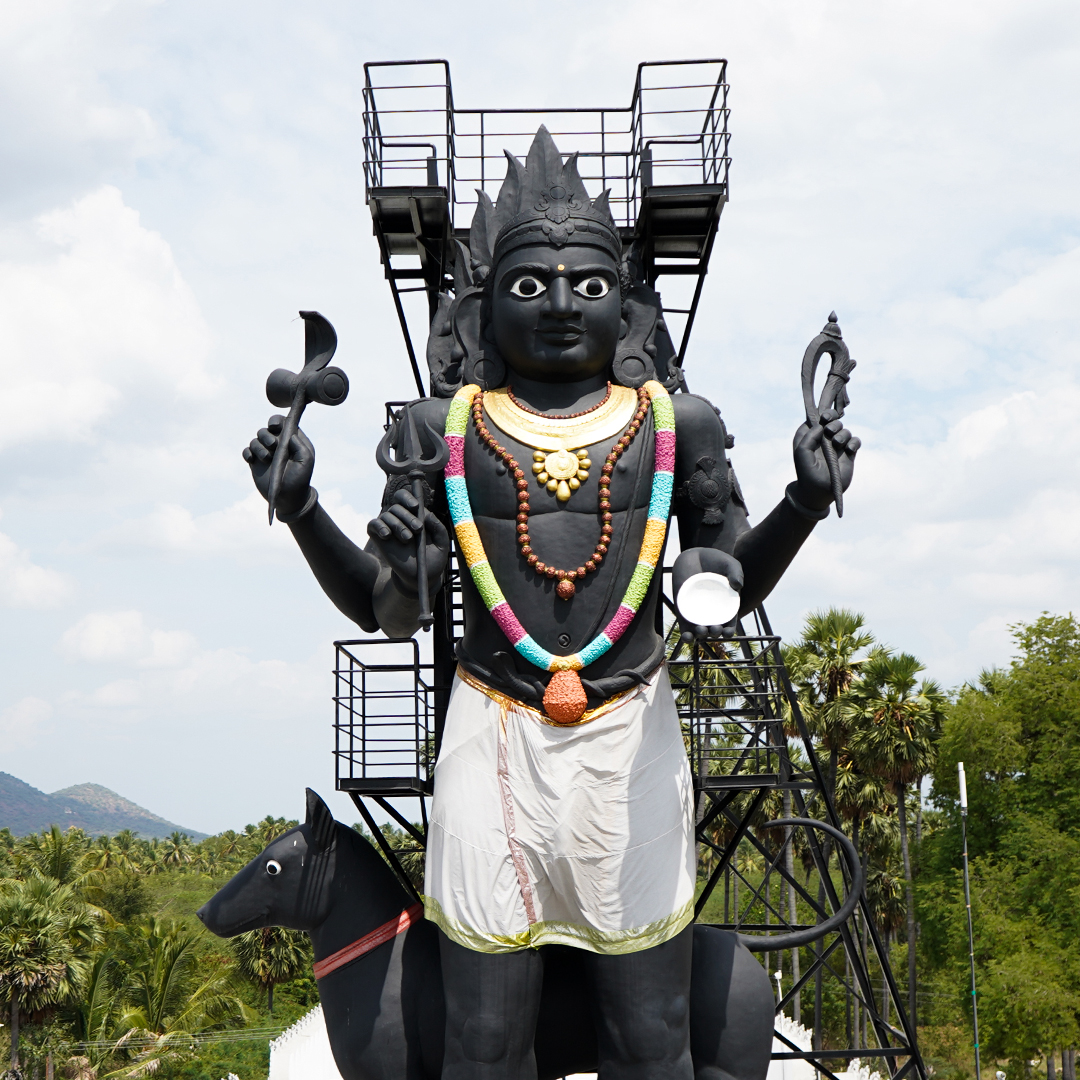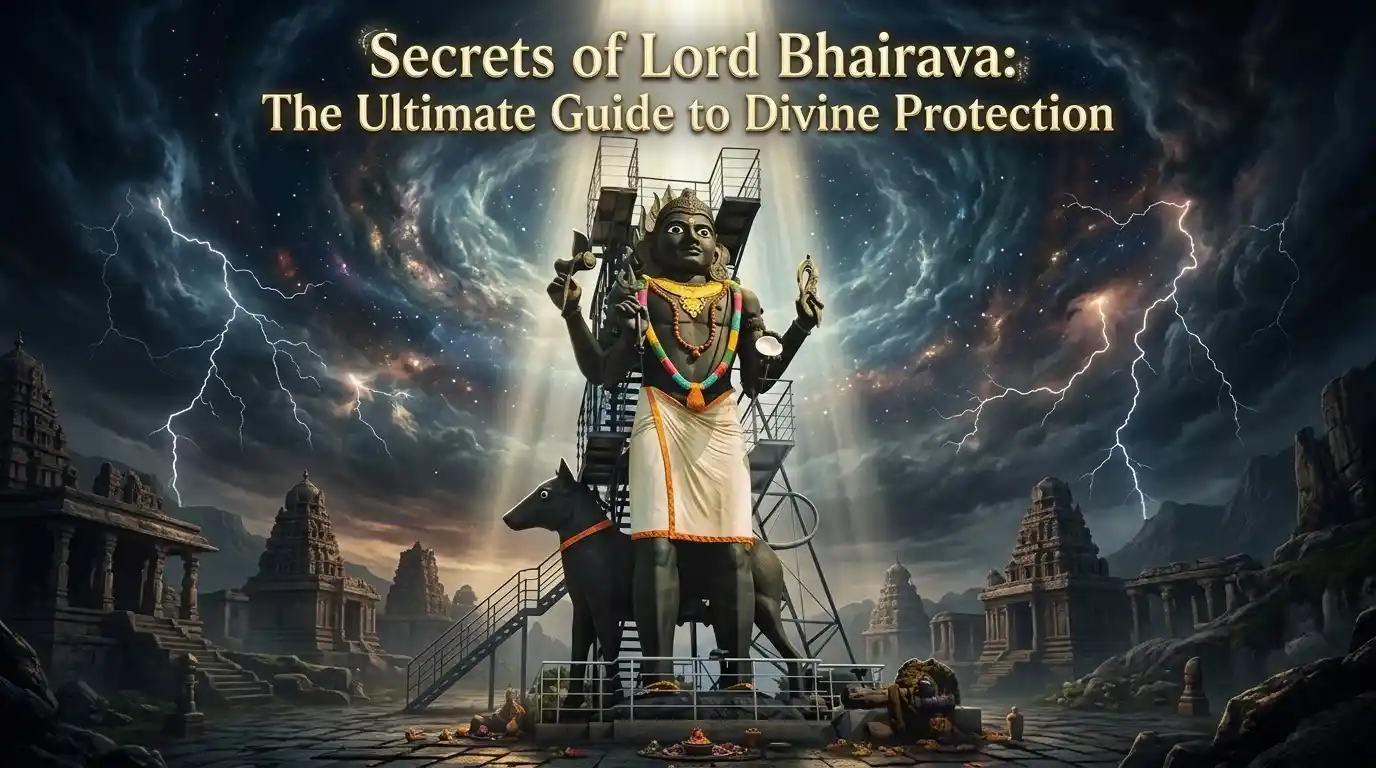
Lord Bhairava, a powerful manifestation of Lord Shiva, stands as a profound symbol of divine fury, immense protection, and ultimate grace. His fierce form transcends the mere concept of destruction; instead, he embodies the perfect cosmic balance between creation and dissolution. As a deity deeply tied to the transformative power of the universe, Kaal Bhairav’s divine energy is essential for removing obstacles, purifying negative influences, and paving the way for spiritual renewal and inner growth. Understanding his role reveals that his intimidating appearance is not about fear, but about upholding the eternal cosmic order (Dharma).
Beyond ancient mythology and scriptures, Bhairava’s spiritual influence guides millions of devotees worldwide. Offering solace and strength during times of fear, uncertainty, or deep spiritual crisis, he acts as an impenetrable shield against both external dangers and internal struggles—granting mental clarity, emotional resilience, and physical safety. Through centuries of sacred rituals, mantras, and timeless legends, the essence of Lord Bhairava has embedded itself into Hindu spiritual practices across various regions and cultures.
1. The Mythological Origins of Kaal Bhairava
The origin of Lord Bhairava is deeply rooted in Vedic and Puranic literature, representing the raw, untamed aspects of ultimate divine power. Born from the intense anger of Lord Shiva, this fierce avatar emerged to eliminate ego, destroy evil forces, and restore cosmic equilibrium.
The Manifestation from Shiva’s Wrath
According to Hindu legends, when Brahma’s growing ego challenged the cosmic hierarchy, Lord Shiva manifested as Kalabhairava to sever Brahma’s fifth head, humbling the creator. This acts as a timeless reminder that destruction is not an end, but a necessary process of transformation that clears the path for a new, pure creation.
The Shiva-Parvati Legend
In epic tales, Bhairava acts as the ultimate guardian during moments of divine tension. His appearance and actions within the cosmic dance of creation resolved deep conflicts among celestial forces, ensuring that the balance between masculine energy (Shiva) and feminine power (Shakti) remained perfectly synchronized.
Symbolism of His Fierce Appearance
Every element of Bhairava’s iconography carries profound spiritual significance:
- The Three Eyes (Trinetra): Symbolize his all-seeing nature, representing omnipresence and mastery over past, present, and future (Time).
- The Garland of Skulls (Mundamala): Signifies his supreme power over mortality, life, death, and the temporary nature of the material world.
- The Divine Vehicle (Shvana): His companion, a black dog, represents loyalty, alertness, and the protection of sacred boundaries.
2. The Ultimate Protector: How Bhairava Shields His Devotees
While his form evokes awe, Lord Bhairava is primarily worshipped as a compassionate guardian of both the physical and spiritual realms.
Guardian of the Four Directions (Dikpalaka)
In Hindu cosmology, Bhairava manifests in eight distinct forms known as Ashta Bhairava, acting as the eternal sentinel of the cardinal directions. His presence ensures that no negative energies or malevolent forces can breach the sacred space of a temple, home, or a devotee’s life.
Warding Off Negative Energies and Planetary Afflictions
Devotees strongly believe that seeking the blessings of Kaal Bhairav neutralizes the negative impacts of planets, especially Rahu, Ketu, and Saturn (Shani).
- Mantras for Protection: Chanting powerful sound vibrations creates an energetic aura around the individual, repelling negative vibrations and black magic.
- Rituals for Mental Clarity: Performing dedicated offerings cleanses the subconscious mind, removing deep-seated anxieties, fears, and emotional blockages.
Divine Interventions in Everyday Life
Ancient texts and historical folklore are filled with instances where Bhairava intervened to save his devotees from sudden accidents, financial ruin, and deadly curses. He is the deity you call upon when facing an immediate crisis, offering swift justice and absolute safety.
3. Sacred Rituals, Offerings, and High-Ranking Keywords for Worship
Connecting with the transformative energy of Bhairava requires specific ritualistic practices passed down through generations.
                  [ Fasting & Prayers on Bhairava Ashtami ]
                                     │
                                     ▼
                  [ Sacred Offerings: Flowers & Sweets ]
                                     │
                                     ▼
                [ Chanting of Powerful Protection Mantras ]
The Spiritual Importance of Bhairava Ashtami
Bhairava Ashtami (also known as Kalabhairava Jayanti), which falls on the eighth day of the waning moon (Krishna Paksha Ashtami) in the month of Margashirsha, is the most auspicious day for his worship. Observing a strict fast and attending night vigils on this day is believed to wash away lifetimes of negative karma.
Symbolic Offerings and Their Meanings
Unlike other gentle deities, the offerings presented to Bhairava hold esoteric significance, representing the surrender of our raw human nature:
- Flowers & Cashews: Signify the blooming of pure devotion and sweet gratitude.
- Imarti/Sweets: Offered to invoke sweetness and prosperity in material life.
- Mustard Oil (Sarson ka Tel) & Alcohol: Used in specific esoteric worship to symbolize the burning away of worldly illusions and the total surrender of sensory attachments.
Essential Bhairava Mantras for Daily Chanting
Kaal Bhairav Beej Mantra:
"Om Hreem Bum Bhairavaya Namaha"Chanting this daily protects the seeker from untimely danger and enemies.
The Kalabhairava Ashtakam:
Composed by Adi Shankaracharya, this powerful hymn is sung to overcome obstacles, clear past debts, and achieve spiritual liberation.
4. Famous Bhairava Temples and Sacred Energy Centers (Peedams)
Across the Indian subcontinent, specific geographical locations function as major powerhouse centers (Peedams) for Bhairava worship.
| Temple Name | Location | Spiritual Significance |
| Kashi Kaal Bhairav Mandir | Varanasi, Uttar Pradesh | Known as the “Kotwal of Kashi” (Police Chief of the Holy City). No one can stay in Varanasi without his spiritual permission. |
| Bhairav Nath Temple | Kathmandu, Nepal | A massive, ancient stone idol where thousands gather during festivals to pray for state protection and strength. |
| Kal Bhairav Temple | Ujjain, Madhya Pradesh | Strongly associated with Tantric practices and the bestower of material wealth, career success, and financial freedom. |
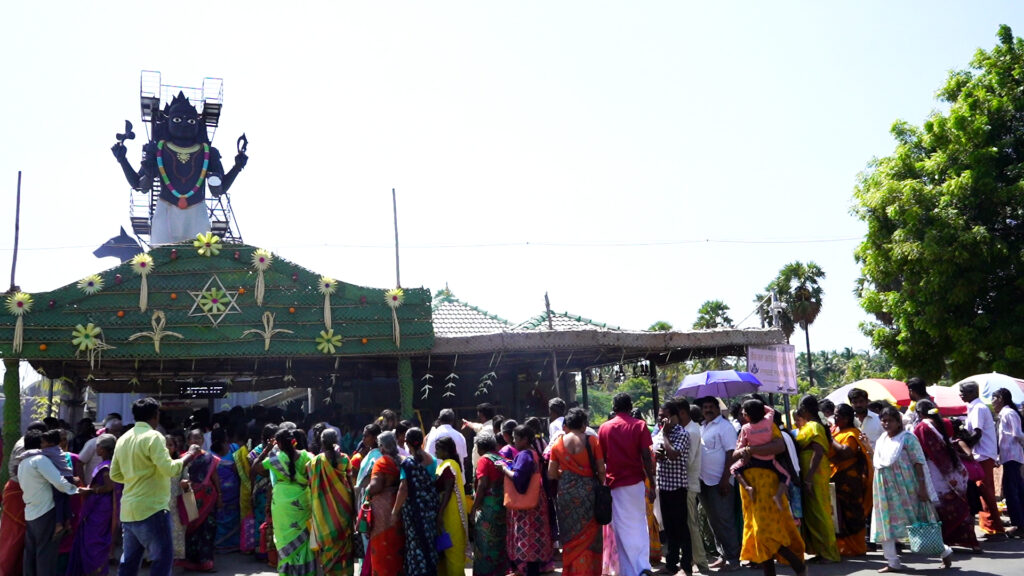
| Kala Bhairava Temple | Tamil Nadu & South India Avalpoondurai, Erode, Tamil Nadu | Located in the revered Thennaga Kashi, this temple attracts devotees seeking Lord Kala Bhairavar’s blessings for protection, courage, success, and relief from negative influences. |
The Metaphysical Benefits of Visiting a Bhairava Peedam
Visiting these highly charged sacred places acts as a spiritual catalyst. The specific architectural layouts and continuous centuries-old sound vibrations inside these shrines facilitate:
- Spiritual Healing: Releasing deep psychological traumas and fear complexes.
- Purification of Accumulated Karma: Burning away past negative deeds through intense meditation.
- Awakening of Higher Consciousness: Shifting the devotee’s mind from a state of survival and fear into a state of higher wisdom and ultimate peace.
Embracing Lord Bhairava for Spiritual Freedom
Ultimately, the divine power of Lord Bhairava is a liberating force. He is the master of time (Kaal), showing us that while physical things fade, our inner spirit is immortal. By welcoming his protective energy into our daily lives through sincere prayers and continuous devotion, we gain the inner courage to face life’s uncertainties.
Let the fierce grace of Kaal Bhairav dissolve your doubts, shatter your limitations, and securely guide your soul toward absolute peace and spiritual enlightenment.